12 Feminine ArchetypesThe 12 archetypes at a glance, with a free test
The core desire, fear, and gift of each of the 12 archetypes, along with the friction each one tends to meet in women's lives.
Start the free test →12 questions, about 1 minute. Free, no signup, no email.
What are the "12 feminine archetypes"?
Many people search for phrases like "12 feminine archetypes" or "female archetypes." Before going further, there is one thing we want to say up front.
There is no women-only classification of the 12 archetypes.
When Jung thought of archetypes as universal patterns rooted in the collective unconscious, he did not divide them by gender. The same is true of the twelve categories organized by Carol S. Pearson and Margaret Mark: the Hero and the Caregiver alike are understood to exist in anyone, regardless of gender.
So why is the phrase "feminine archetypes" used at all?
We think it is because, even when the archetype is the same, the place where it shows up is different. You try to see the whole picture and decide, just as someone else would, and the words that come back are different. You speak just as directly, and it is received differently. The archetype stays the same, yet the world it meets is different. That may well be true.
On this page, we write about each of the 12 archetypes from one angle: what kind of friction it tends to meet in the situations of a woman's life.
You can find which archetype you are closest to with the 12-question test. No question asks your gender, and the scoring is the same for everyone.
The 12 archetypes at a glance
Choose an archetype name to read its full description.
FreedomSeeking independence and meaning
| Archetype | Core desire | Core fear | Gift | |
|---|---|---|---|---|
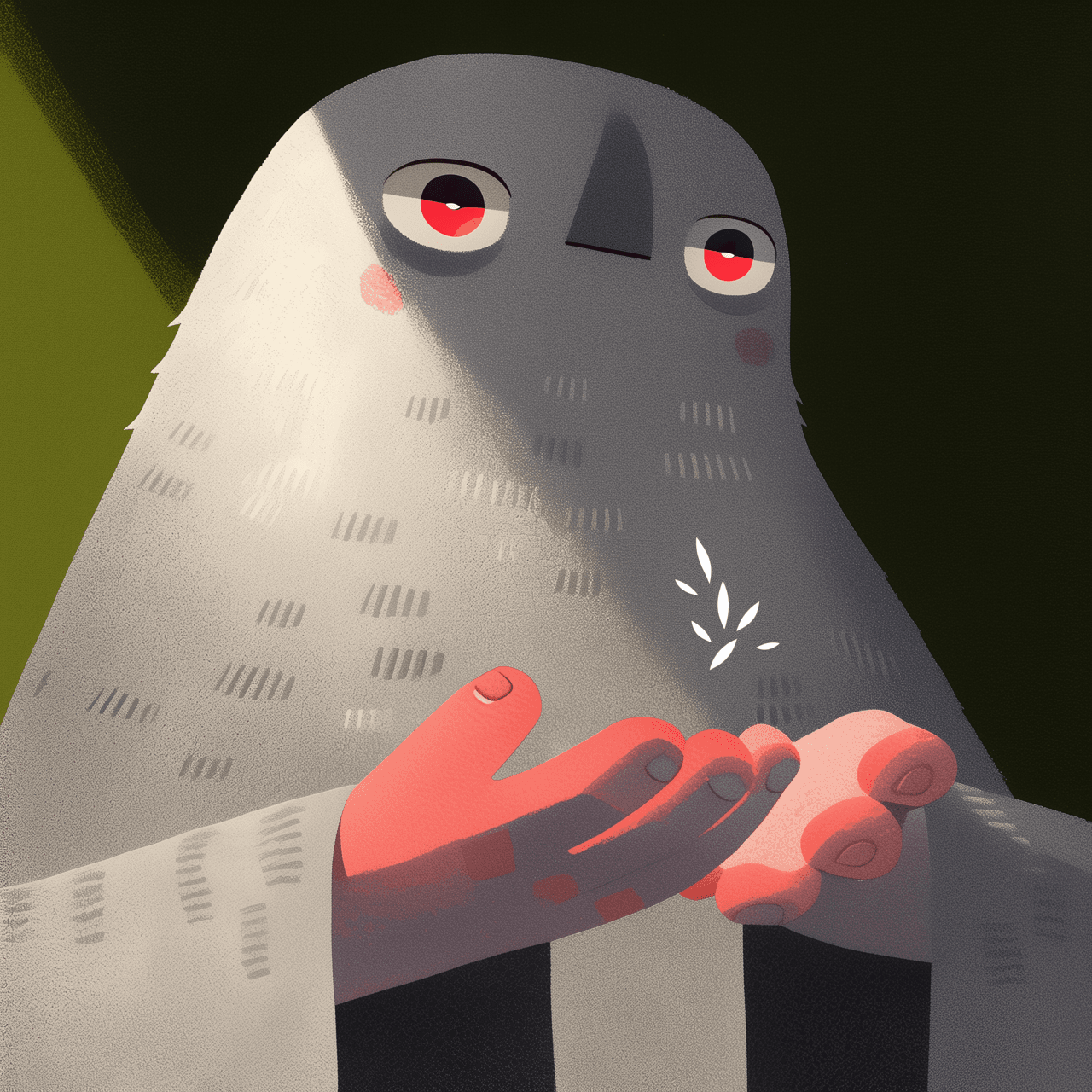 | InnocentPure of Heart | To feel safe and keep believing that the world is fundamentally good | Doing something wrong and being blamed for it | Helping people lower their guard and taking the edge out of a tense room |
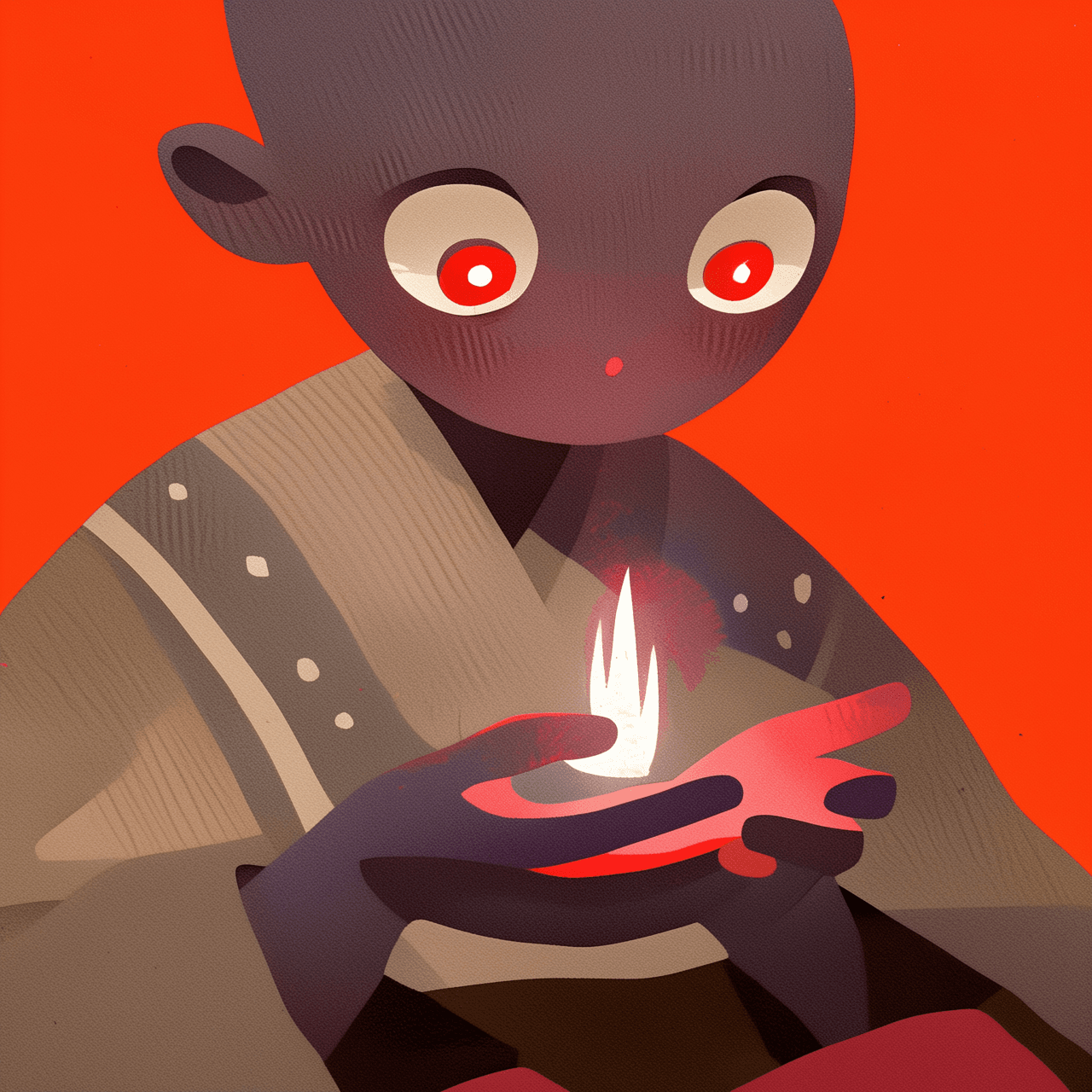 | SageWise One | To know what is true and understand how the world works | Being misled, or discovering that what seemed like understanding was no understanding at all | Seeing how things work beneath the surface and spotting mismatched assumptions before others do |
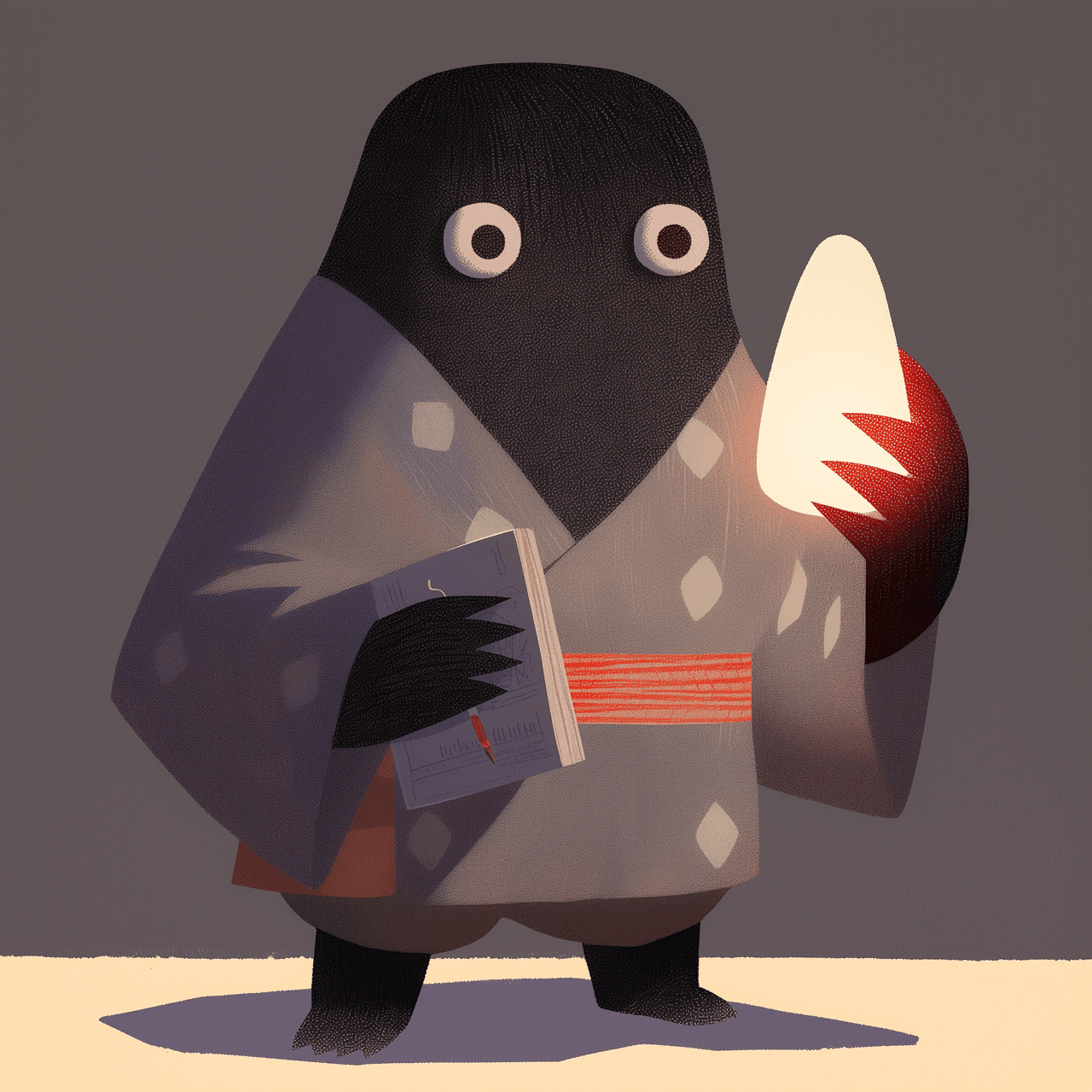 | ExplorerSeeker | To be free, encounter what you have not yet seen, and discover who you really are | Being trapped, unable to move beyond where you are | Taking the first step where there is no precedent or map |
- Core desire
- To feel safe and keep believing that the world is fundamentally good
- Core fear
- Doing something wrong and being blamed for it
- Gift
- Helping people lower their guard and taking the edge out of a tense room
- Core desire
- To know what is true and understand how the world works
- Core fear
- Being misled, or discovering that what seemed like understanding was no understanding at all
- Gift
- Seeing how things work beneath the surface and spotting mismatched assumptions before others do
- Core desire
- To be free, encounter what you have not yet seen, and discover who you really are
- Core fear
- Being trapped, unable to move beyond where you are
- Gift
- Taking the first step where there is no precedent or map
ImpactLeaving a mark on the world
| Archetype | Core desire | Core fear | Gift | |
|---|---|---|---|---|
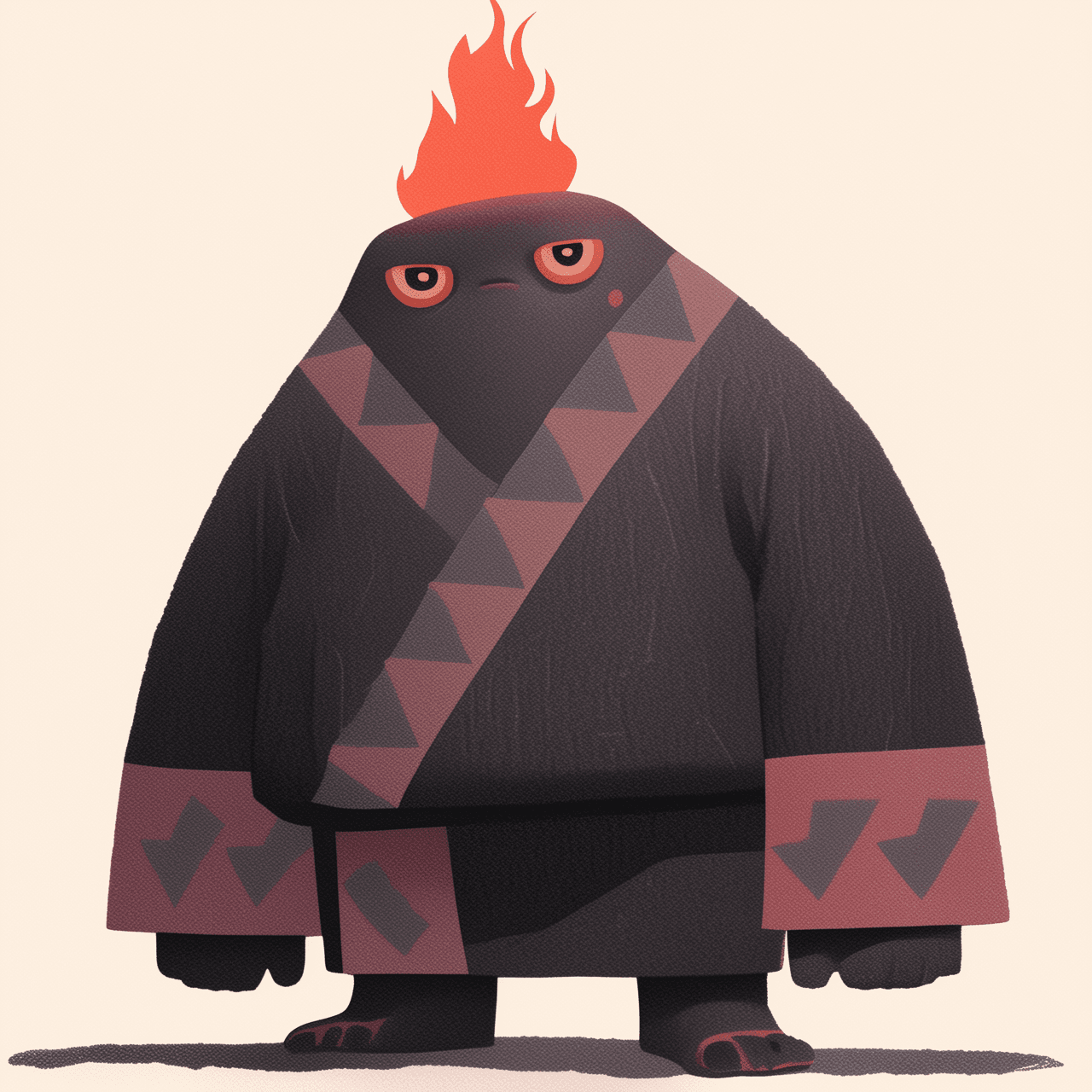 | HeroChampion | To accomplish something difficult and prove your worth | Weakness: losing your nerve when it matters | Being the first to take something on when no one else volunteers |
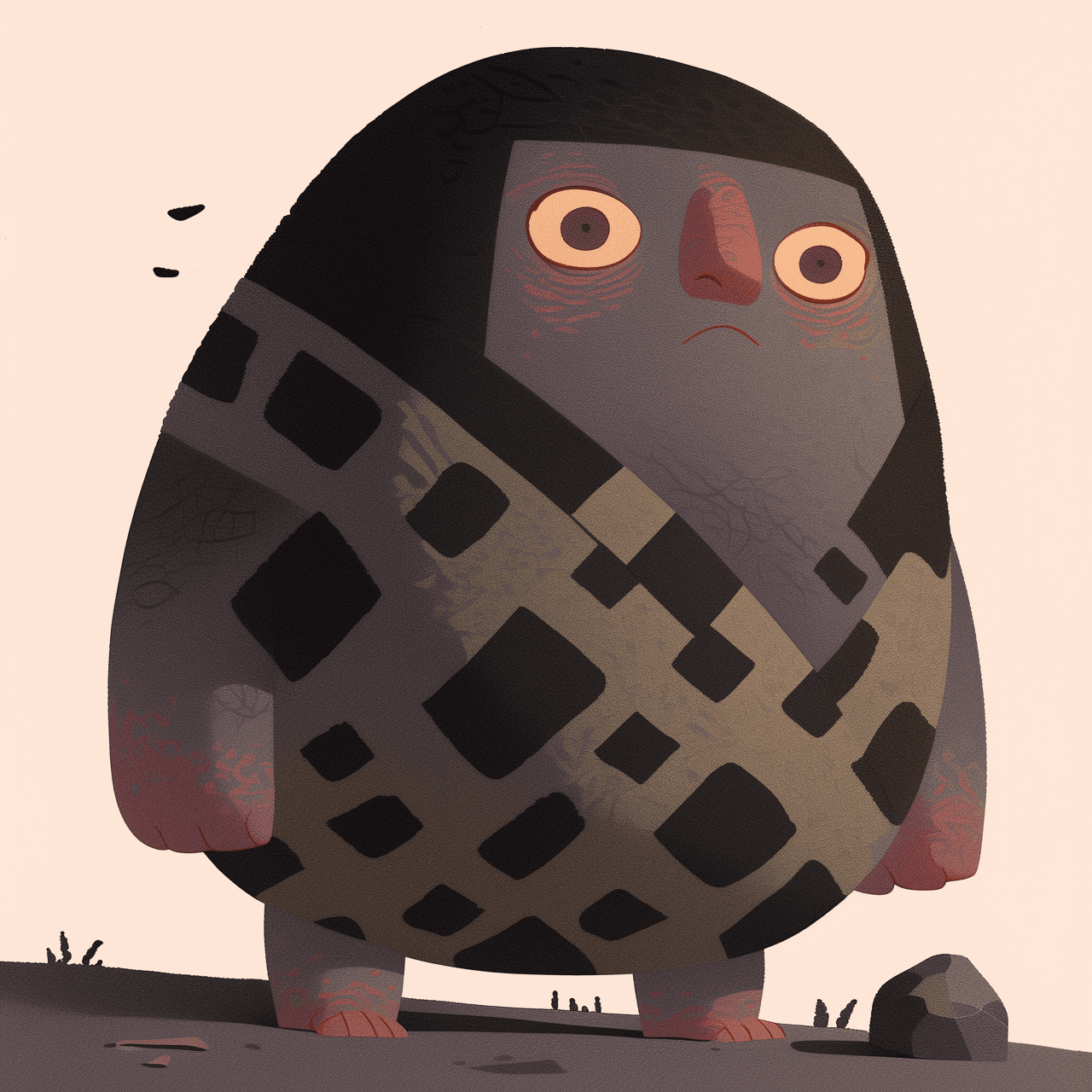 | OutlawRebel | To break apart what no longer works and change the course of things | Being powerless, disappearing into the background without ever becoming someone who matters | Being the first to say something is wrong when everyone else stays quiet |
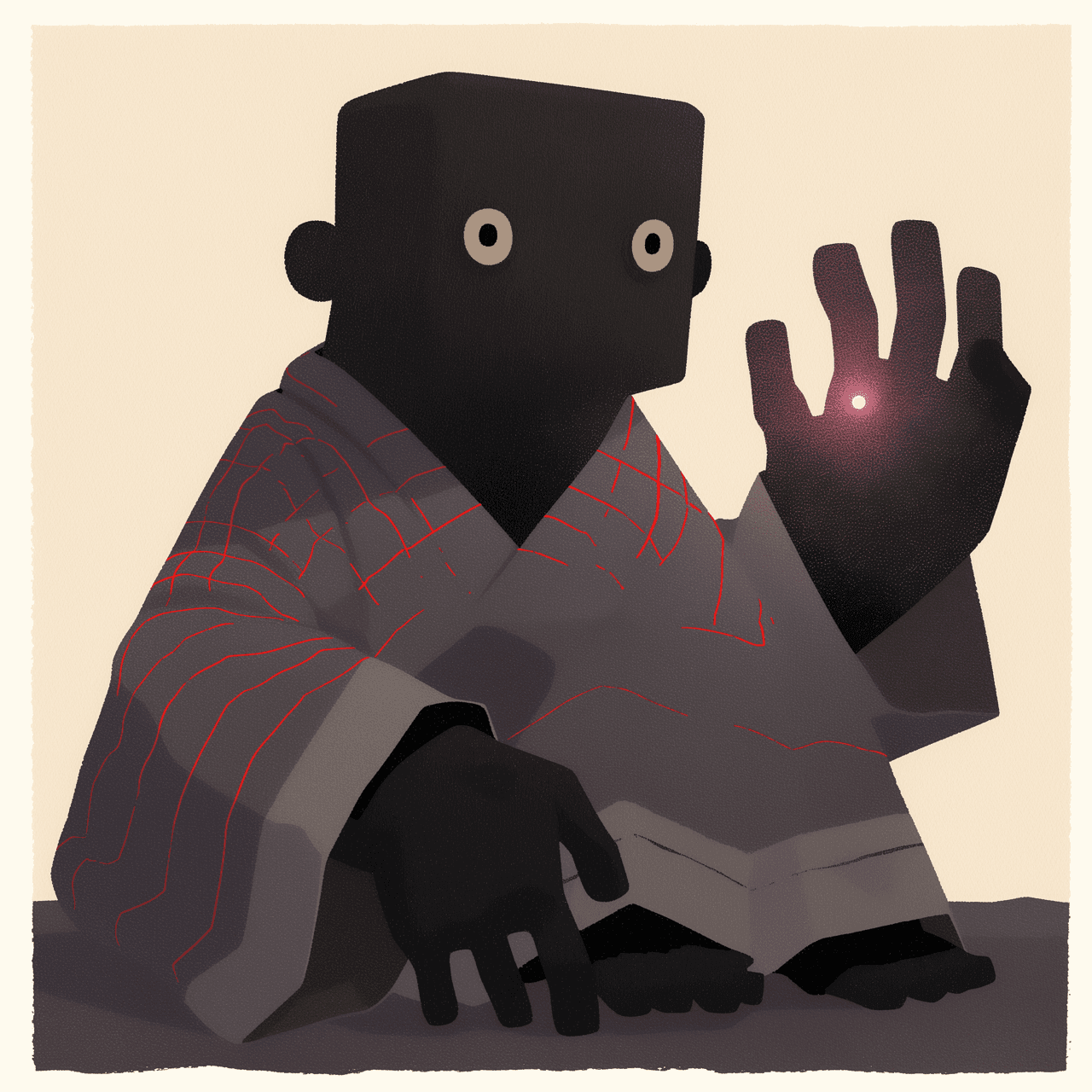 | MagicianSpellcaster | To understand how things work and use that understanding to bring about real change | Causing harm you never intended | Seeing the underlying structure behind the visible problem |
- Core desire
- To accomplish something difficult and prove your worth
- Core fear
- Weakness: losing your nerve when it matters
- Gift
- Being the first to take something on when no one else volunteers
- Core desire
- To break apart what no longer works and change the course of things
- Core fear
- Being powerless, disappearing into the background without ever becoming someone who matters
- Gift
- Being the first to say something is wrong when everyone else stays quiet
- Core desire
- To understand how things work and use that understanding to bring about real change
- Core fear
- Causing harm you never intended
- Gift
- Seeing the underlying structure behind the visible problem
ConnectionSeeking belonging and connection
| Archetype | Core desire | Core fear | Gift | |
|---|---|---|---|---|
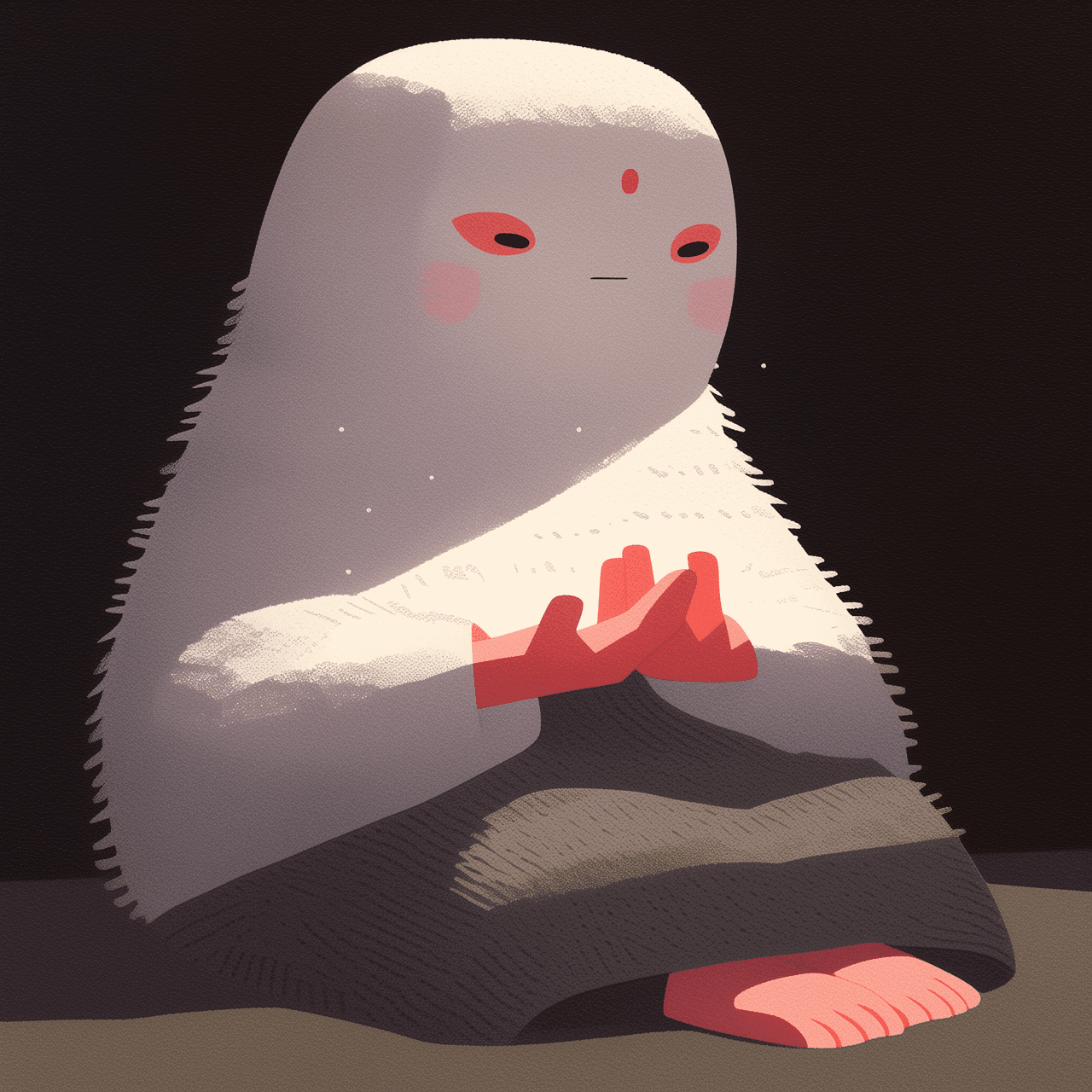 | LoverRomantic | To connect deeply and be someone special to another person | No longer being loved or needed | Noticing changes that have not been put into words and making people feel cared for |
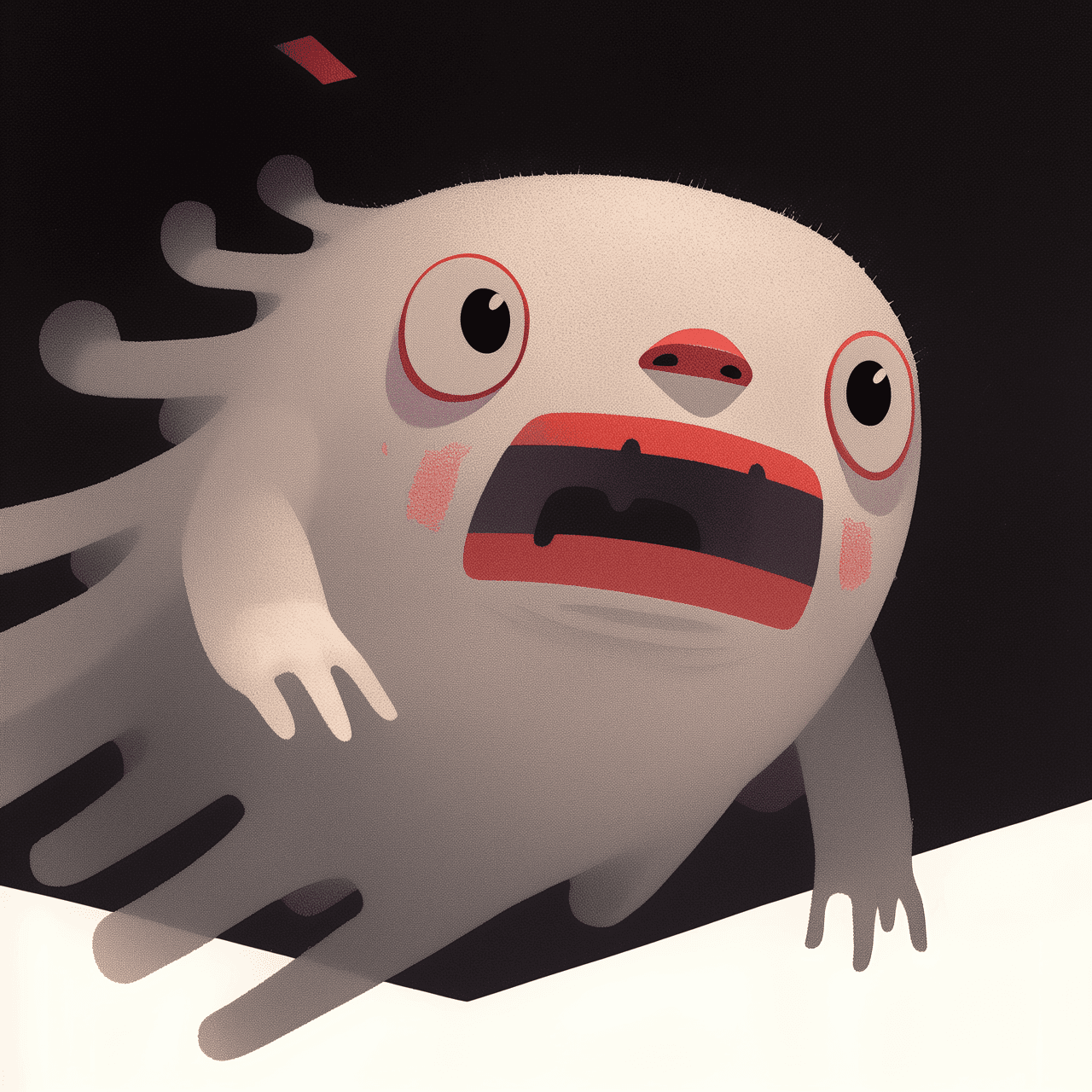 | JesterEntertainer | To enjoy the present moment and keep life light | Being thought of as boring | Releasing the tension in a heavy room with a few words |
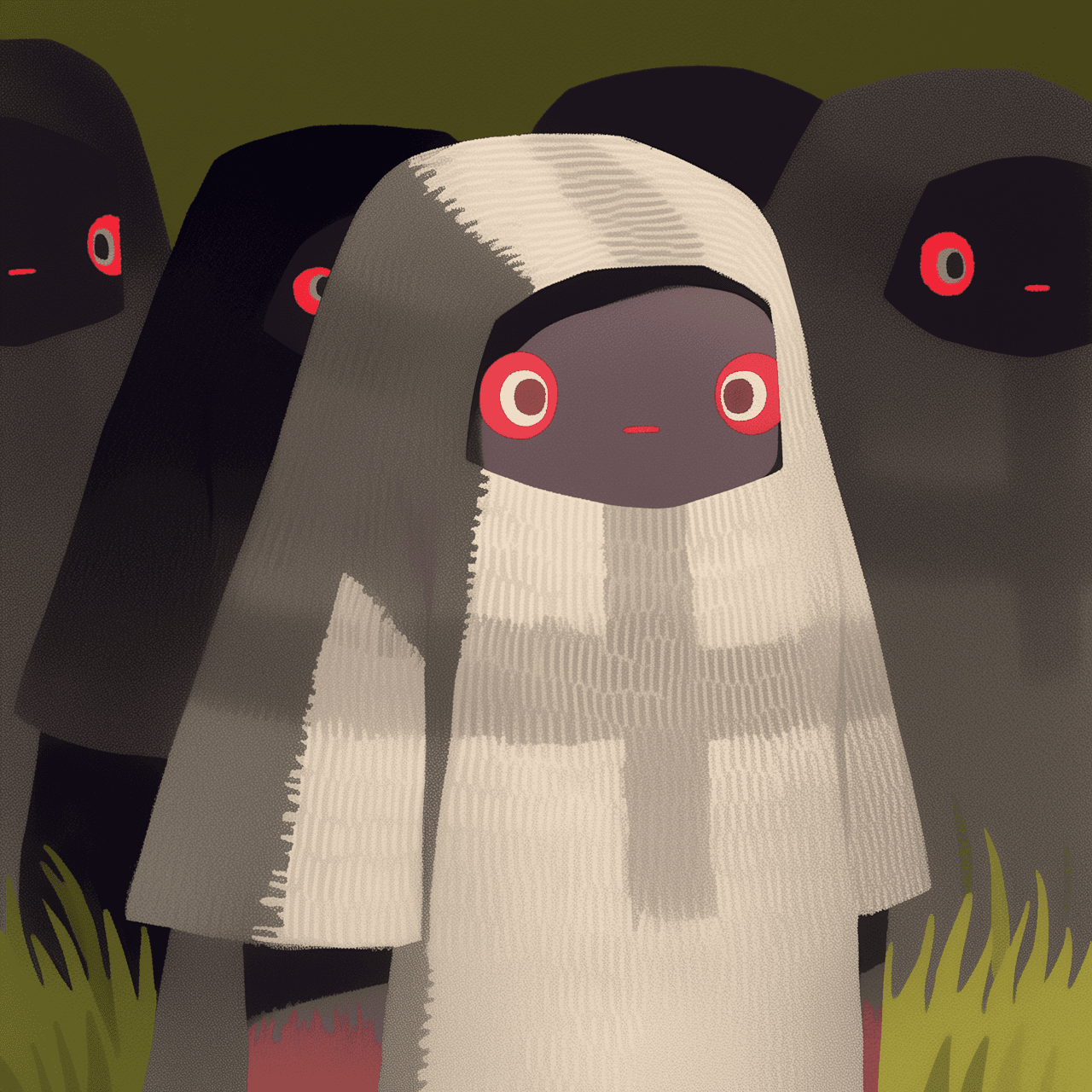 | EverymanOrdinary Person | To belong among other people, somewhere you do not have to be special | Not fitting in, or being left out of the group | Meeting anyone as an equal and helping them feel at ease |
- Core desire
- To connect deeply and be someone special to another person
- Core fear
- No longer being loved or needed
- Gift
- Noticing changes that have not been put into words and making people feel cared for
- Core desire
- To enjoy the present moment and keep life light
- Core fear
- Being thought of as boring
- Gift
- Releasing the tension in a heavy room with a few words
- Core desire
- To belong among other people, somewhere you do not have to be special
- Core fear
- Not fitting in, or being left out of the group
- Gift
- Meeting anyone as an equal and helping them feel at ease
OrderBringing order and stability
| Archetype | Core desire | Core fear | Gift | |
|---|---|---|---|---|
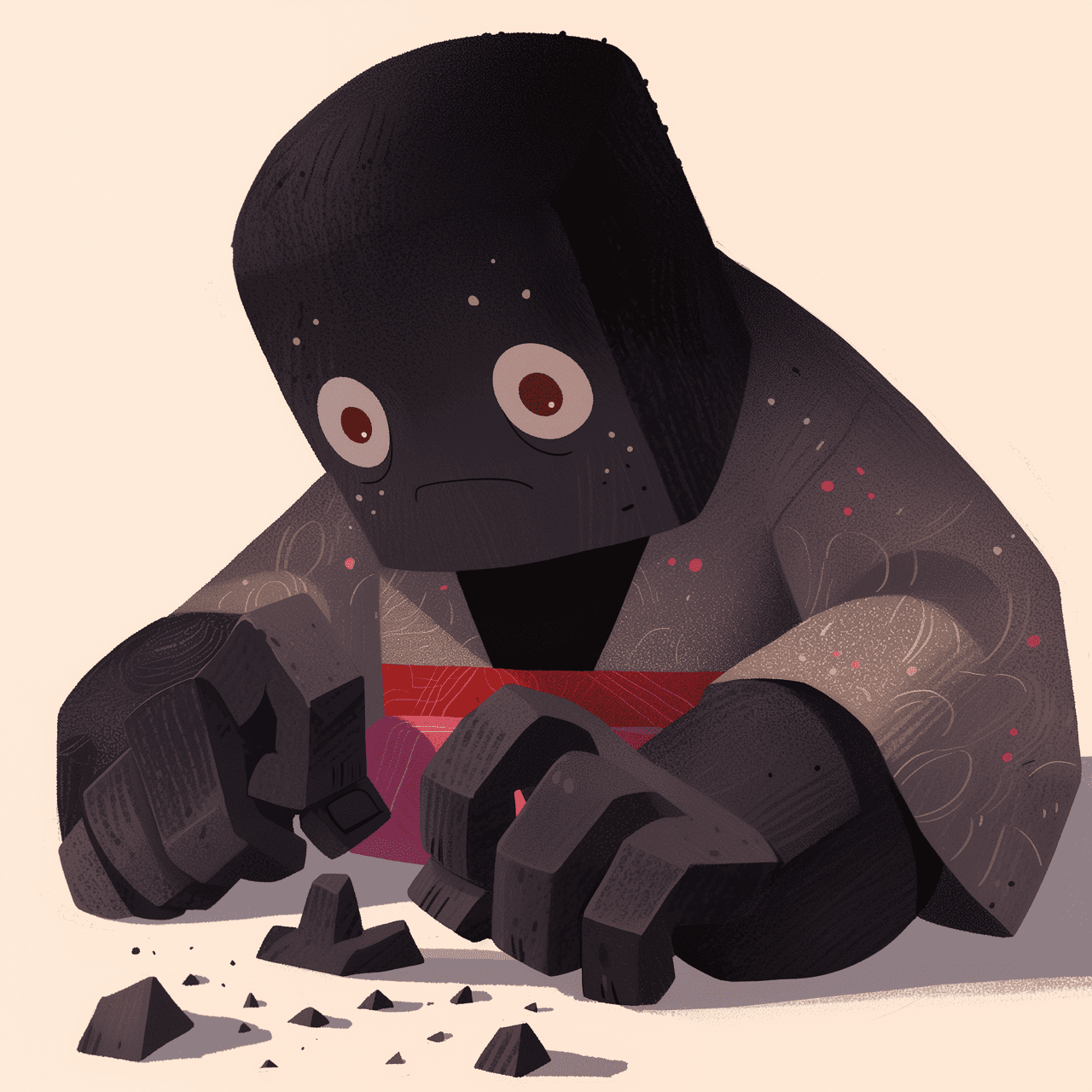 | CaregiverProtector | To protect and support people, and know that you are helping someone | Becoming unnecessary, finding that everything carries on without you | Creating a place where someone who falters will be helped back up |
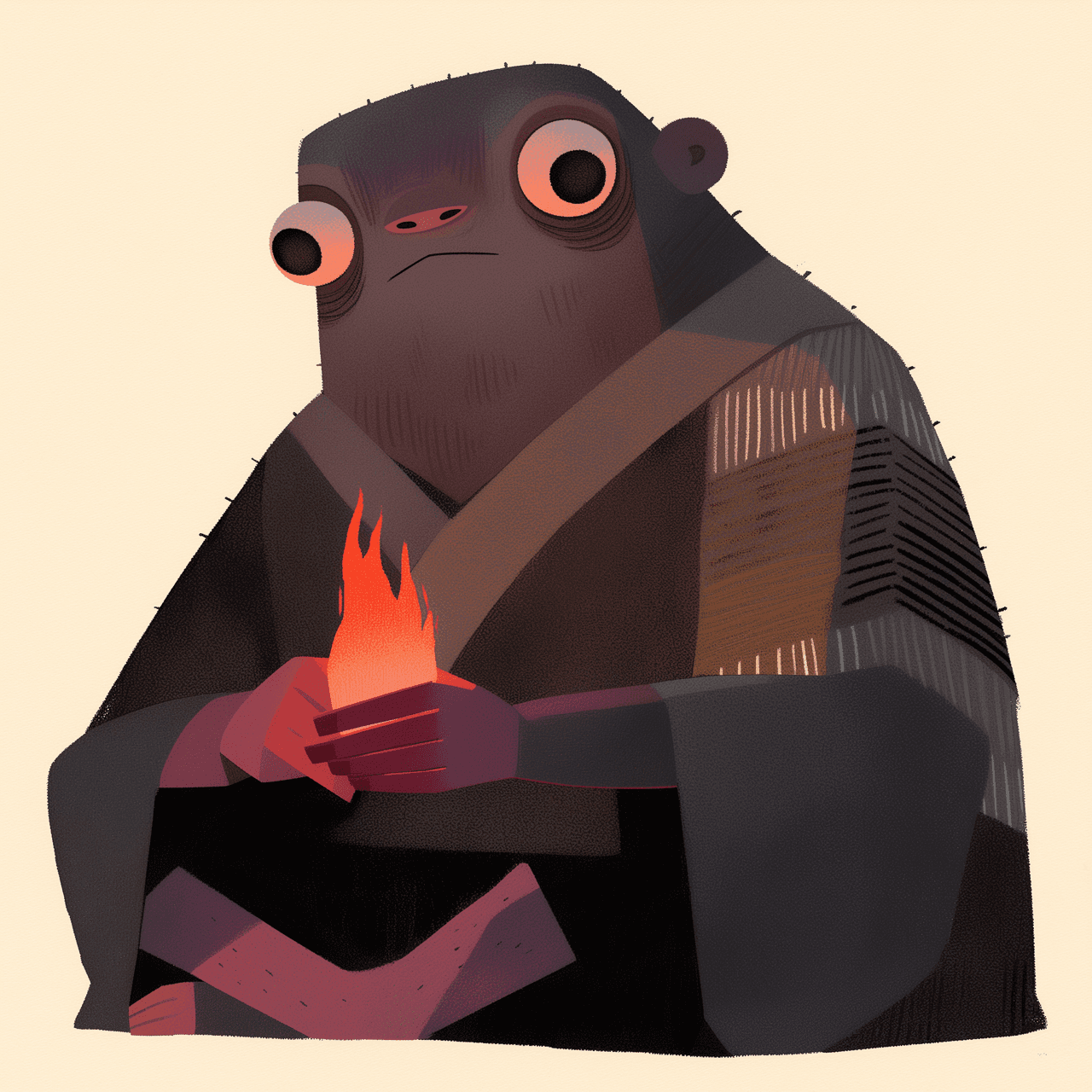 | RulerSovereign | To create order and keep the whole from falling apart | Chaos: everything breaking down beyond anyone’s ability to manage it | Being the first to map out a confusing situation |
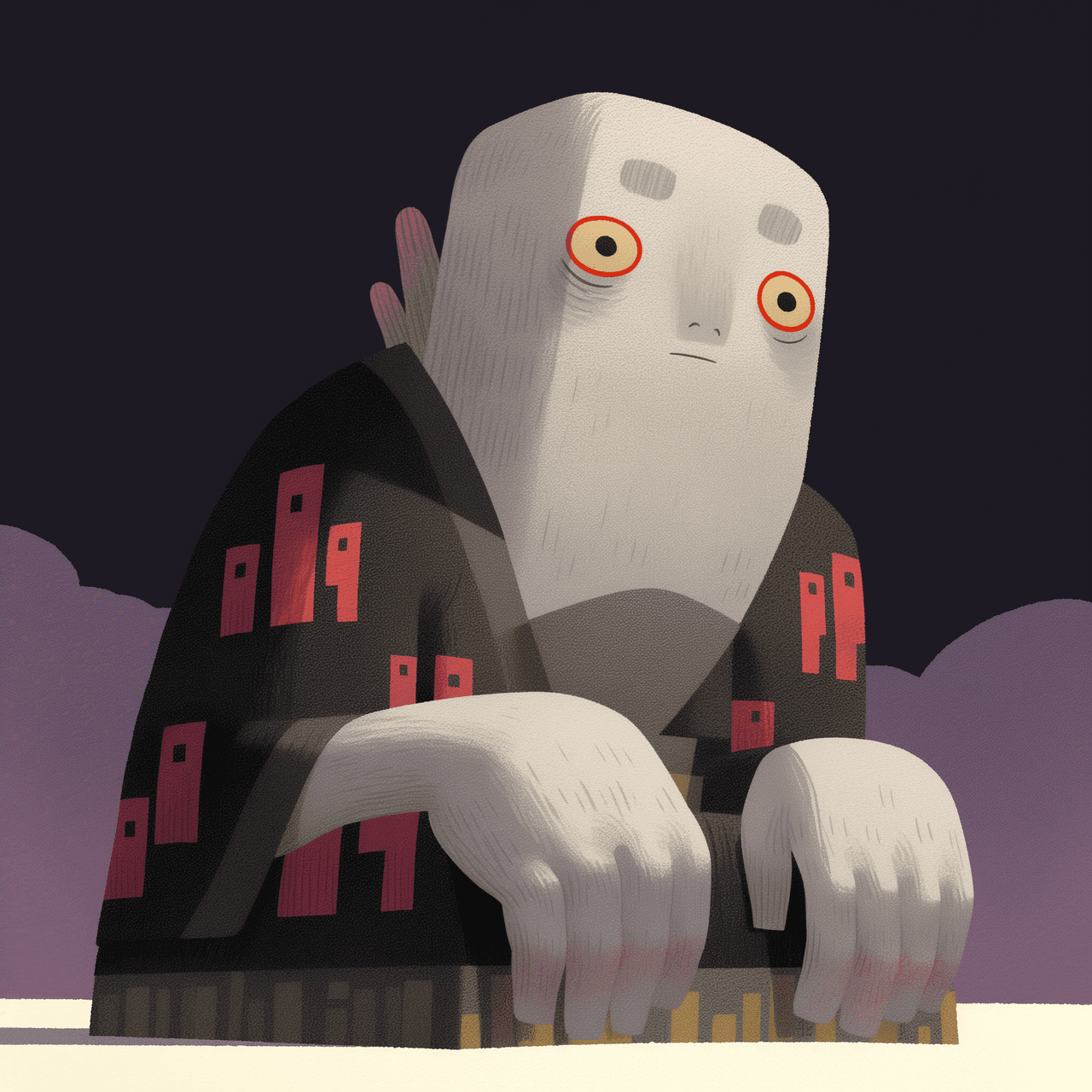 | CreatorMaker | To give form to what does not yet exist and make something only you could make | Being ordinary in what you create, unable to make anything that is truly your own | Turning “Wouldn’t it be good if this existed?” into something real |
- Core desire
- To protect and support people, and know that you are helping someone
- Core fear
- Becoming unnecessary, finding that everything carries on without you
- Gift
- Creating a place where someone who falters will be helped back up
- Core desire
- To create order and keep the whole from falling apart
- Core fear
- Chaos: everything breaking down beyond anyone’s ability to manage it
- Gift
- Being the first to map out a confusing situation
- Core desire
- To give form to what does not yet exist and make something only you could make
- Core fear
- Being ordinary in what you create, unable to make anything that is truly your own
- Gift
- Turning “Wouldn’t it be good if this existed?” into something real
Reading the 12 archetypes in a women's context
InnocentPure of Heart
People may praise your openness, then treat that same quality as a sign that you do not yet understand the world. If they keep casting you as someone who needs protecting, they can overlook the fact that you have opinions of your own. Trust does not mean an absence of judgment. You may know perfectly well how to be suspicious and still choose not to be.
Read more about the Innocent: motive, fear, and giftSageWise One
You ask because you want to know, but the response may be that you are nitpicking or overthinking. Perhaps you ask about the evidence in a meeting and feel the room tense. Checking is not necessarily an expression of distrust; you want to understand before going ahead. Being repeatedly rushed can wear you down, while the problems your pause prevented probably go uncounted.
Read more about the Sage: motive, fear, and giftExplorerSeeker
You may be asked to settle down more often than you expected: in your work, where you live, or your relationships. Yet you may keep moving because there is more you want to encounter, not because you cannot decide. Settling is not a destination you are obliged to reach. There is no need to hurry toward it.
Read more about the Explorer: motive, fear, and giftHeroChampion
When you readily take things on, people can start treating your willingness as a given. Each time you volunteer makes it more likely they will expect you next time. You wonder whether saying no will seem uncaring, and agree again. Being strong does not require being strong at every moment. Resting is not the same as giving up.
Read more about the Hero: motive, fear, and giftOutlawRebel
You may have raised a concern only to find the conversation shifting from what you said to how you said it. The same point can be received differently depending on who makes it. Still, staying quiet may feel worse than speaking. There may be someone who could say what they thought only because you went first.
Read more about the Outlaw: motive, fear, and giftMagicianSpellcaster
Seeing what might follow can leave you thinking for a long time before you speak. Others find you hard to read, when you simply have a great deal to think through. And when you notice someone’s potential and offer a hand, that effort may be dismissed as fussing over them. What you are doing is preparing the way for change.
Read more about the Magician: motive, fear, and giftLoverRomantic
Your wish to be closely involved may get reduced to a single judgment: too intense. You notice changes in the other person because they are visible to you, not simply because you worry too much. But seeing more can also mean carrying more. After a day spent paying attention to them, can you still remember what you were feeling?
Read more about the Lover: motive, fear, and giftJesterEntertainer
Being the person who brightens the room can quietly become your assigned role. Even when you feel low, you enter and find yourself saying something before you have decided to. Everyone assumes you are always cheerful. Few notice when the person making them laugh is not enjoying it. Is there somewhere you do not have to lighten the mood?
Read more about the Jester: motive, fear, and giftEverymanOrdinary Person
Being good at adapting can mean plans move ahead without anyone asking what you want. Say “Either is fine” often enough, and you may start to mean it. If choosing not to stand out has left you less sure of your own preferences, you may have been adjusting too much. Saying what you want does not have to break the connection.
Read more about the Everyman: motive, fear, and giftCaregiverProtector
The better you are at noticing and helping, the easier it is for others to take that help for granted. Keep picking up what gets dropped, and picking it up becomes your job. Being unnoticed can quietly wear on you more than being unthanked. You do not have to wait for someone else to realize how tired you are.
Read more about the Caregiver: motive, fear, and giftRulerSovereign
Trying to see the whole and make a decision may earn you words like “bossy” or “harsh.” If you have seen the same behavior described differently depending on who does it, the response may say little about the quality of your judgment. You can keep bringing order to things without holding everything yourself.
Read more about the Ruler: motive, fear, and giftCreatorMaker
You may spend a long time unable to release work because it does not yet match the image in your mind. From the outside, no one can see what you are doing. Someone asks why it is still not done, and you cannot find the words to explain. Yet the time you persisted remains in the work. You alone know about the dozens of attempts no one saw.
Read more about the Creator: motive, fear, and giftWhat about men?
The same 12 archetypes apply just as they are. The scoring is the same, too.
What this page has described as a "women's context" is not a difference in the archetypes themselves. It is the friction archetypes tend to meet in society, and the shape of that friction can differ somewhat by gender.
For example, a Caregiver may find that noticing and stepping in is taken for granted, and a Hero may feel unable to show weakness. Both happen regardless of gender, but the words people hear from those around them can differ.
The archetype does not change. What changes is the place it finds itself in.
No question in the 12-question test asks your gender.
FAQ
Are the "12 feminine archetypes" different from a regular archetype test?
They are the same. There is no women-only classification of the 12 archetypes; both Jung and Pearson defined them as universal patterns regardless of gender. This page rereads the same 12 archetypes from one angle: what friction they tend to meet in women's lives.
Is the test free? Do I need to sign up?
It is completely free. There is no account, no login, and no email address to enter, so you can start as soon as the page opens. Nothing is charged to see your result.
Does the test ask my gender?
No. None of the 12 questions ask about gender, and the scoring does not change by gender.
What are the 12 archetypes?
The twelve are Innocent (Pure of Heart), Sage (Wise One), Explorer (Seeker), Outlaw (Rebel), Magician (Spellcaster), Hero (Champion), Lover (Romantic), Jester (Entertainer), Everyman (Ordinary Person), Caregiver (Protector), Ruler (Sovereign), and Creator (Maker). Each one is defined by three things: a core desire, a core fear, and a gift.
How many questions are there, and how long does it take?
There are 12 questions, and it takes about 1 minute.
Can my result change?
Yes. It does not assign a fixed personality. It is a profile of the motive that drives you now. It is natural for a different archetype to come to the fore as your stage of life or circumstances change.
Find the archetype closest to you
12 questions, about 1 minute. Free, no signup. No question asks your gender.
Start the free test →This is not a psychological test created by Carl Jung. It is an interpretive profile independently designed by 120 Archetypes, drawing on Jung’s archetype theory and the twelve-category framework organized by Carol S. Pearson and Margaret Mark. It is not intended for clinical diagnosis or scientifically validated measurement.