Jester
ConnectionEntertainer
- Desire
- To enjoy the present moment and keep life light
- Fear
- Being thought of as boring
- Gift
- Releasing the tension in a heavy room with a few words
Entertainer
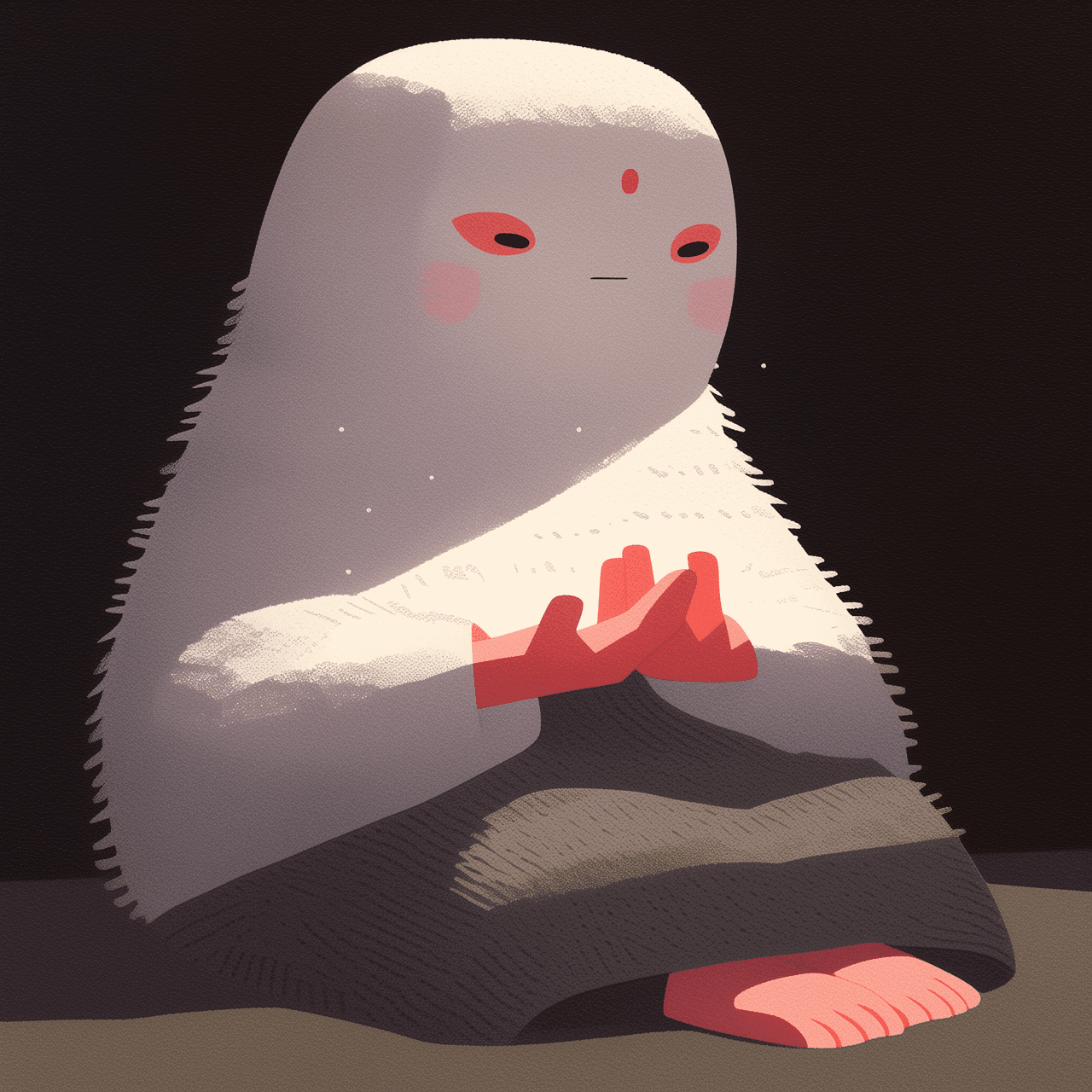
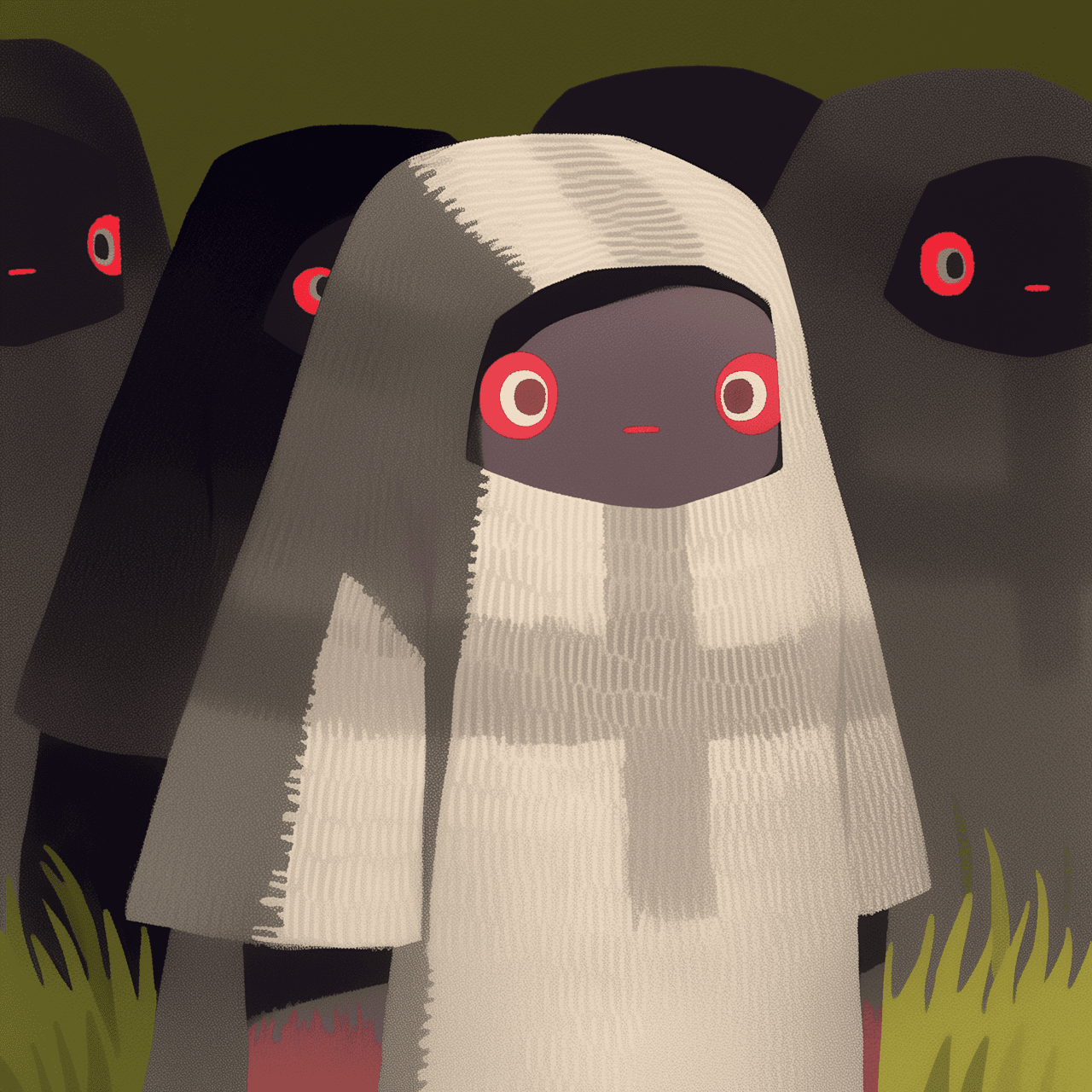
The Jester is one of twelve archetypes organized around ideas from Jung’s archetype theory, driven by enjoyment of the present and a fear of being boring. Its gift is a lightness that lets tension ease.
If this moment is enjoyable, the rest can feel a little more manageable. Thinking too far ahead may weigh on you, but something interesting happening right here can restore your sense that things will work out.
When a room grows heavy, you may say something before anyone else has moved. Making it lighter comes almost before the decision to do so.
For the Jester, being thought boring can hurt more than being disliked. You would rather not hear that talking with you is no fun. So you lighten the mood, even when your own mood is low.
That can be a relief to everyone around you. Yet the person making people laugh may be the one enjoying it least. There may not be many people who notice.
These are not one-to-one matches. Read them as types that point in a similar direction.
You now know your "why": what you seek and what you fear.In 120 Archetypes, the types whose reactions come closest to the Jester motive are Cast and Pioneer.But the same motive shows up differently in each person's actions.30 questions show how your motive actually plays out.Where the two don't line up, your real challenge starts to come into view.
30 questions, about 3 minutes. Free, no signup.
Which archetype are you closest to?
12 questions, about 1 minute. Free, no signup.
Start the free test →This is not a psychological test created by Carl Jung. It is an interpretive profile independently designed by 120 Archetypes, drawing on Jung’s archetype theory and the twelve-category framework organized by Carol S. Pearson and Margaret Mark. It is not intended for clinical diagnosis or scientifically validated measurement.