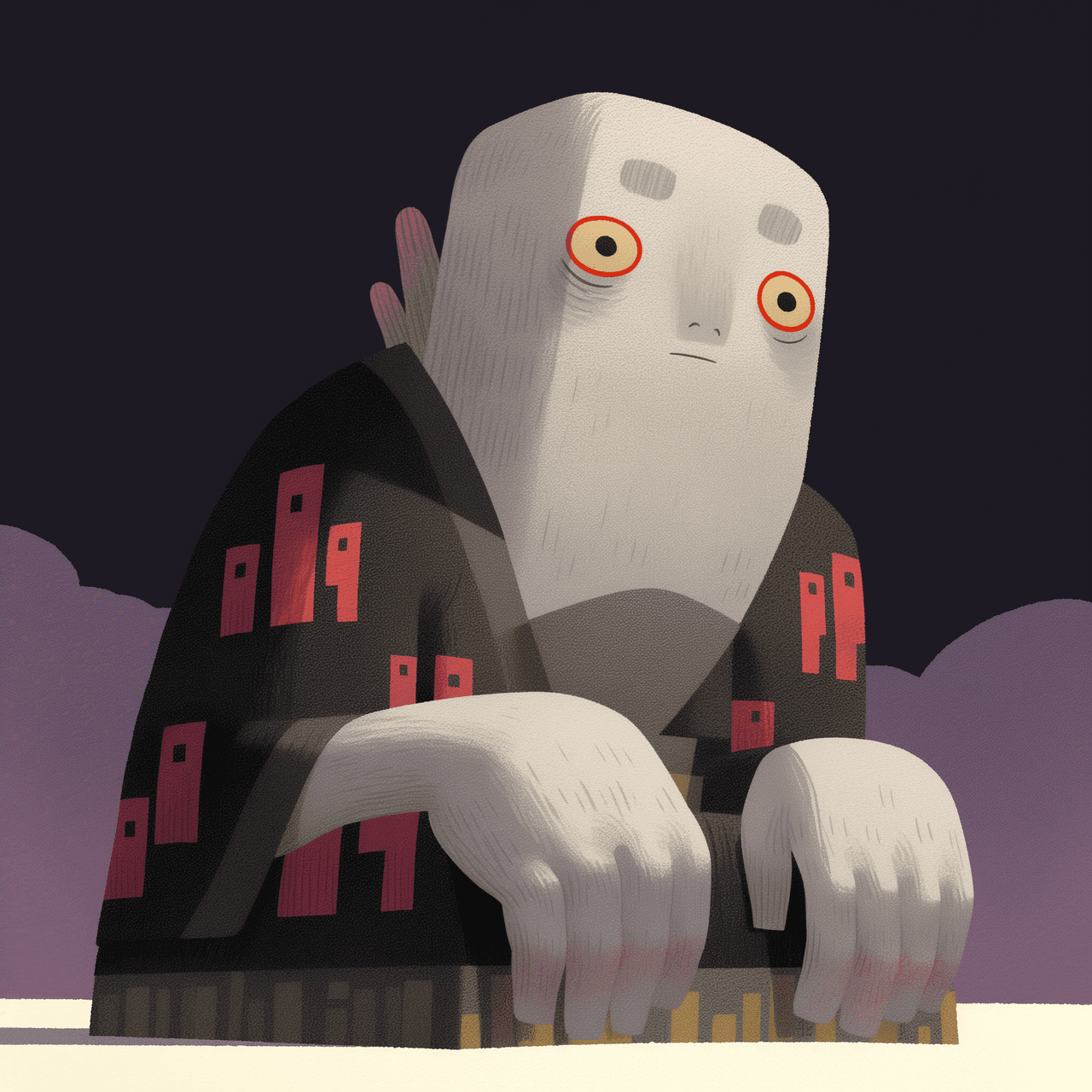
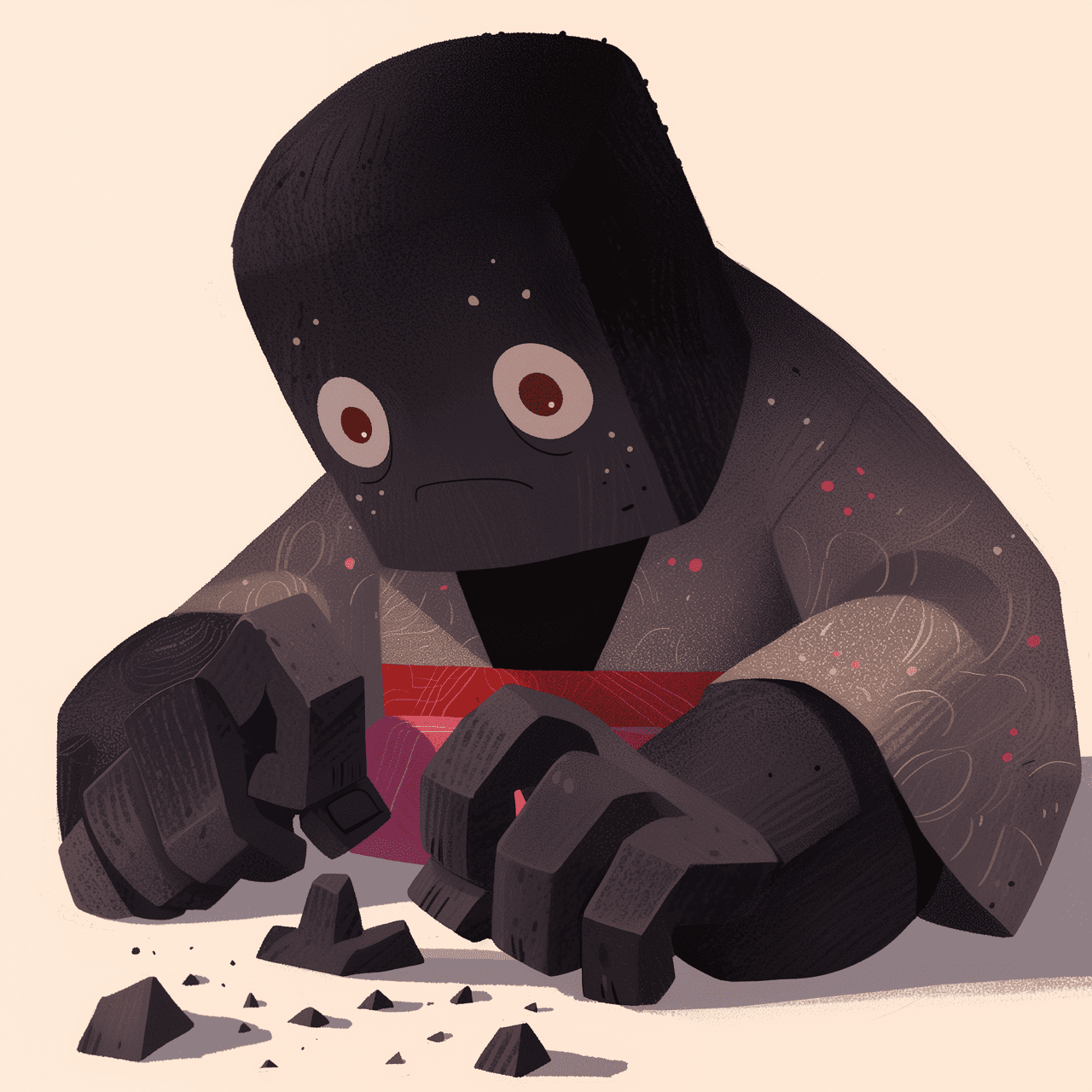
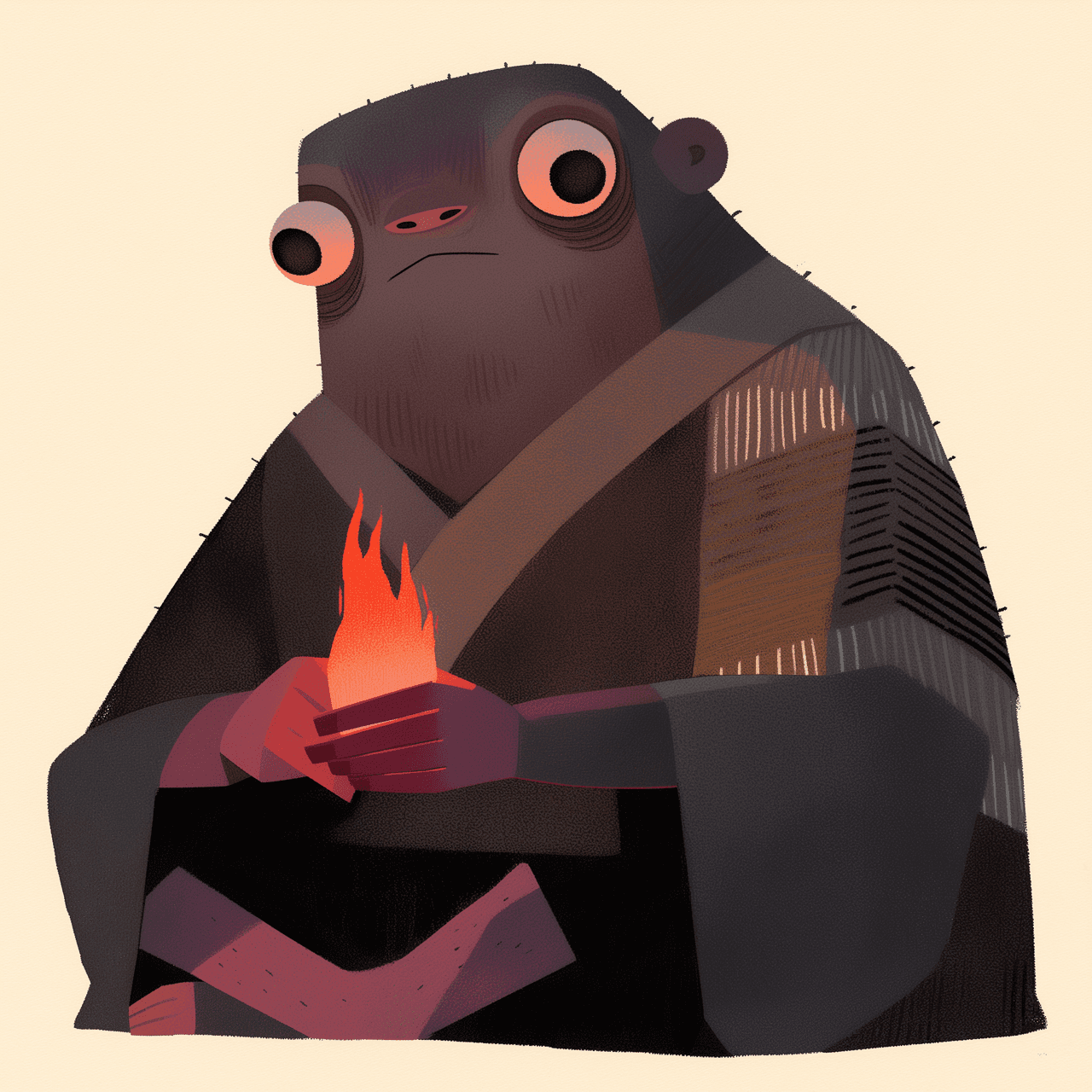
The Creator is one of twelve archetypes organized around ideas from Jung’s archetype theory, seeking to give form to the unformed and fearing mediocrity. Its gift is turning a vision into something that exists.
What drives you
You have an image in your mind that is hard to explain but unmistakably there. You try to make it, see how the result differs, and feel the frustration of that gap.
It may be less a simple love of making things than an inability to leave that difference alone. Something is still waiting to take the shape you know it could have.
For the Creator, producing something commonplace can hurt more than criticism. “I’ve seen that before” lands hard. So you stay with the work a little longer, refining something no one asked you to refine.
Much of that persistence is invisible. Other people see the finished piece. The dozens of attempts that led to it may live only in your memory.
Bringing order and stability: how this motive shows up
When this motive becomes a strength
You can give form to something no one has seen yet. Where a conversation stops at wishing a thing existed, you can make it real. New things enter the world because someone takes on that work.
When this motive becomes a burden
You may struggle to finish. The result has not reached the image in your mind, so you cannot release it. But however good it is, work that no one gets to encounter remains absent from their world.
At work
Planning, design, and expression draw on your ability to give form to something new. Reproducing a fixed model exactly as specified may be work you can do well, while still leaving you feeling increasingly empty inside.
In relationships
You can find your partner interesting as a whole world of their own. But when you are absorbed in making something, you can become a little distant. They may not be trying to interrupt; they may simply want to know that you still notice them there.
When it turns into shadow
Exacting standards can become a reason to refuse completion. You say you cannot compromise, while underneath you may be afraid of being judged. “I’m not satisfied with it yet” can become a very convincing reason never to let the work be seen.
You now know your "why": what you seek and what you fear.In 120 Archetypes, the types whose reactions come closest to the Creator motive are Cast and Bundler.But the same motive shows up differently in each person's actions.30 questions show how your motive actually plays out.Where the two don't line up, your real challenge starts to come into view.
This is not a psychological test created by Carl Jung. It is an interpretive profile independently designed by 120 Archetypes, drawing on Jung’s archetype theory and the twelve-category framework organized by Carol S. Pearson and Margaret Mark. It is not intended for clinical diagnosis or scientifically validated measurement.