Hero
ImpactChampion
- Desire
- To accomplish something difficult and prove your worth
- Fear
- Weakness: losing your nerve when it matters
- Gift
- Being the first to take something on when no one else volunteers
Champion
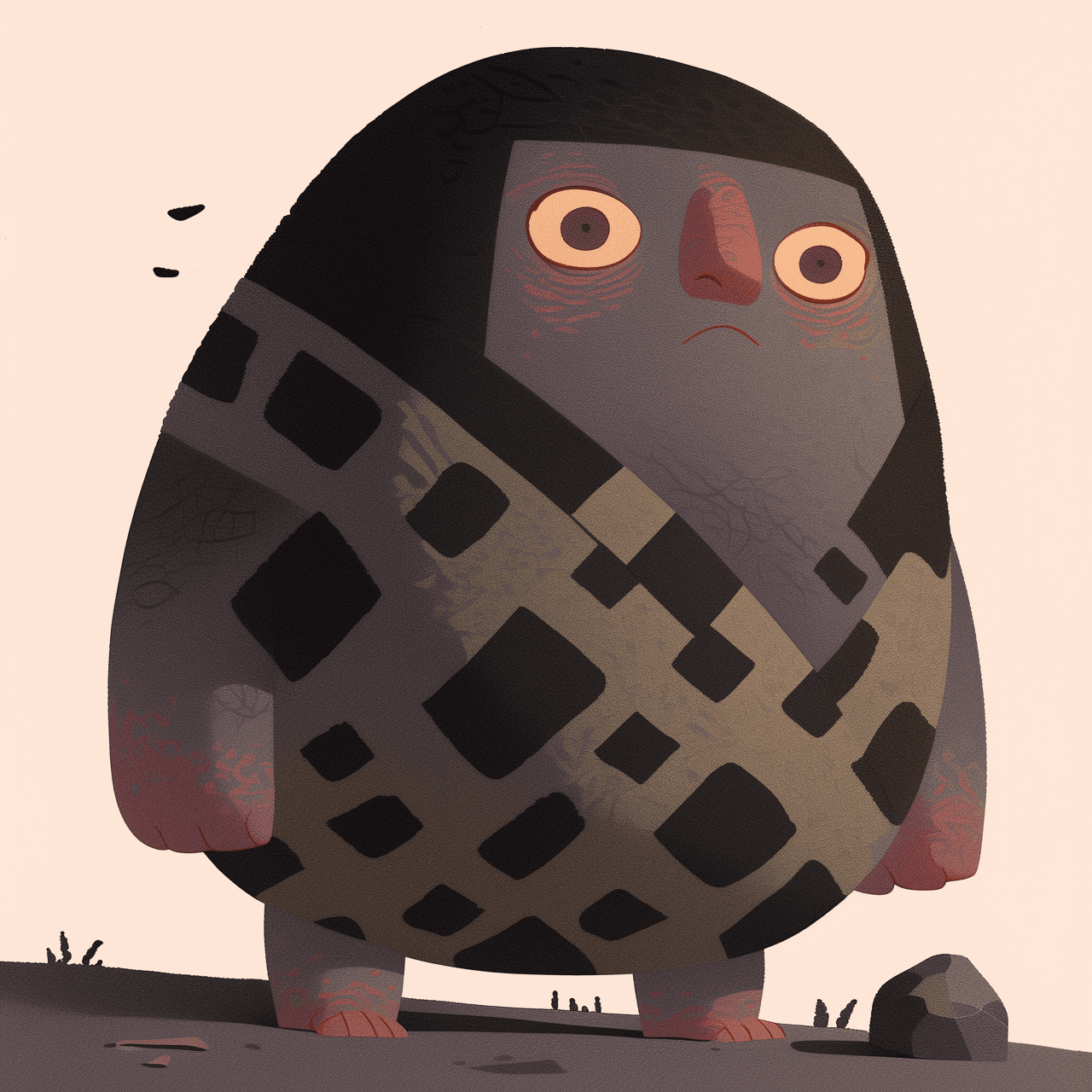
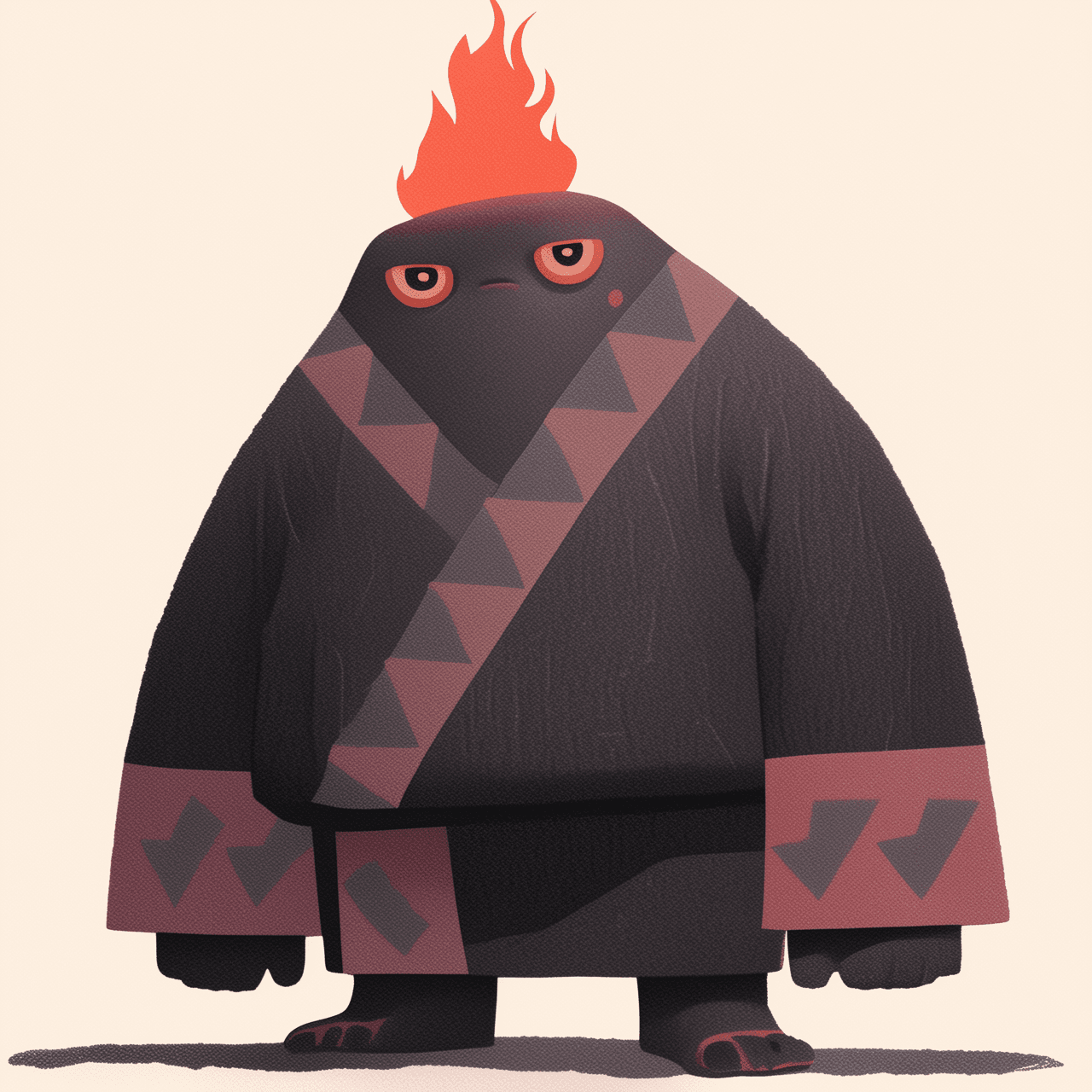
The Hero is one of twelve archetypes organized around ideas from Jung’s archetype theory, driven to prove its worth through difficult achievements and fearful of weakness or cowardice. Its gift is stepping forward when the situation is at its worst.
A difficult challenge can make you sit a little straighter before you have time to think what a hassle it will be. Someone says it cannot be done, and you feel more inclined to try.
You may be testing whether you can do it. For the Hero, losing your nerve when it matters can be harder to live with than losing the contest itself. The memory of having backed away stays. So you take things on, including some you did not need to take on at all.
Others probably see someone they can rely on. Your own experience may feel closer to being tested than being trusted. Rest does not always come easily when you feel you still have something to prove.
These are not one-to-one matches. Read them as types that point in a similar direction.
You now know your "why": what you seek and what you fear.In 120 Archetypes, the types whose reactions come closest to the Hero motive are Striker and Pioneer.But the same motive shows up differently in each person's actions.30 questions show how your motive actually plays out.Where the two don't line up, your real challenge starts to come into view.
30 questions, about 3 minutes. Free, no signup.
Which archetype are you closest to?
12 questions, about 1 minute. Free, no signup.
Start the free test →This is not a psychological test created by Carl Jung. It is an interpretive profile independently designed by 120 Archetypes, drawing on Jung’s archetype theory and the twelve-category framework organized by Carol S. Pearson and Margaret Mark. It is not intended for clinical diagnosis or scientifically validated measurement.