


Jung Archetype TestReading motive and fear through 12 archetypes
What do you most want to gain? And what do you most want to avoid? Twelve questions help you read both.
Start the free test →12 questions, about 1 minute. Free, no signup, no email.
What are Jungian archetypes?
An archetype is a concept introduced by the psychologist Carl Gustav Jung. Jung noticed that similar figures appear in myths, stories, and religions across cultures and eras, and he understood them as universal patterns rooted in the collective unconscious.
The twelve-category framework widely used today was organized by Carol S. Pearson and Margaret Mark. Each archetype is described by a combination of what it wants to gain (its core desire) and what it wants to avoid (its core fear). This test is built around those same two things.
The 12 Jungian archetypes
Choose an archetype to read about its motive, fear, and gift in detail.
Freedom
Seeking independence and meaning
You want to stand on your own and see the world for yourself. Understanding things on your own terms matters more to you than having someone else decide for you.


Impact
Leaving a mark on the world
You want to act on a situation and change something. It is hard to watch unfairness go unchallenged or time pass with nothing moving forward.
Connection
Seeking belonging and connection
Being among people helps you feel like yourself. You want to keep the connections where you understand each other and the places where you naturally belong.
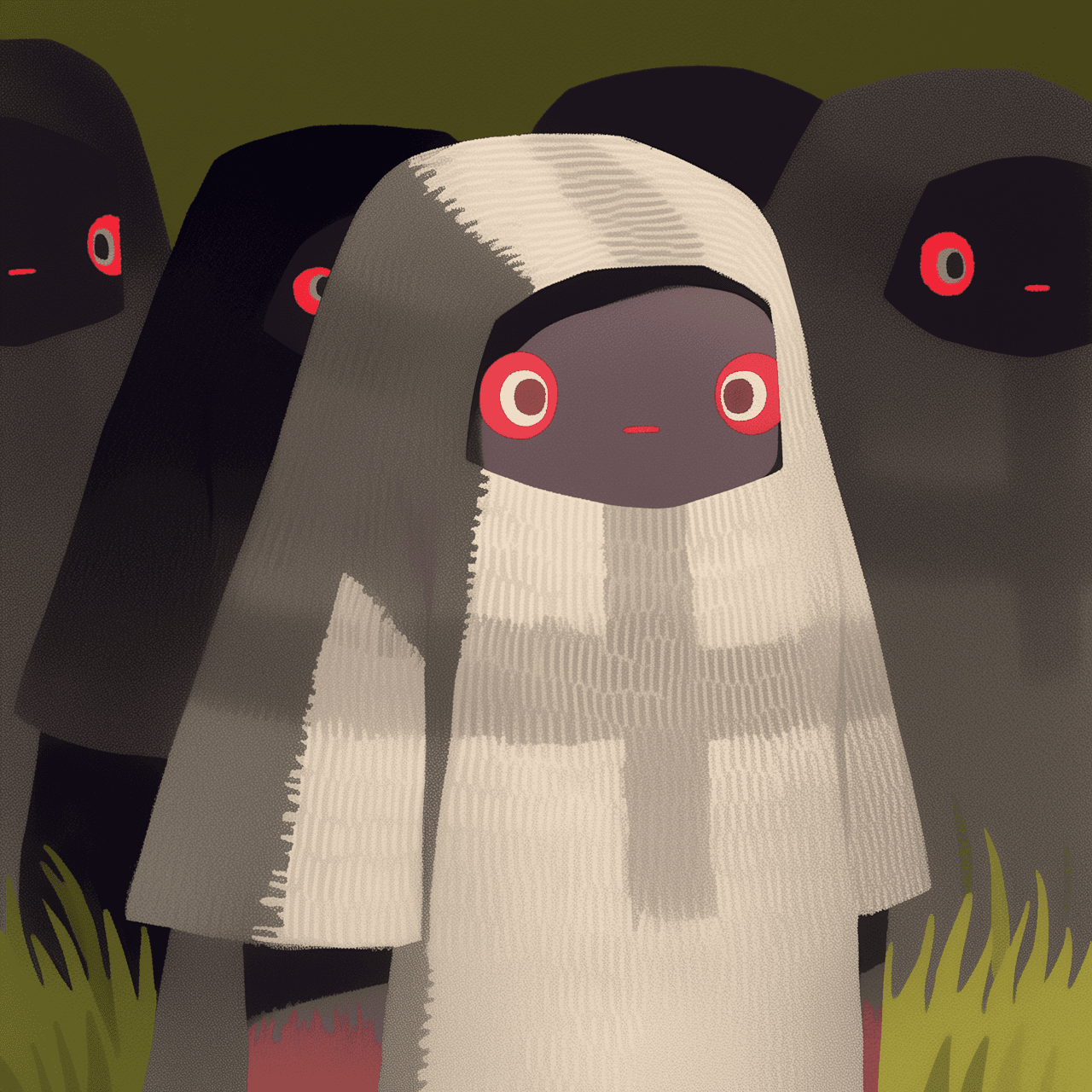
Order
Bringing order and stability
You want to give things shape and keep them from falling apart. Being able to support someone and see how the whole fits together matters to you.
If you searched for the "12 feminine archetypes," there is also a quick-reference chart of the 12 archetypes and the friction they tend to meet in society. The twelve archetypes have no gender-specific classification, but that page looks at how the same archetype can be met with different words depending on where it stands.
FAQ
What is the Jung archetype test?
It is a self-reflection tool based on the concept of archetypes introduced by Carl Gustav Jung. It reads which of 12 types you are closest to from the combination of the motive that drives you and the fear you want to avoid. On 120 Archetypes, it takes 12 questions.
Is this a test created by Jung?
No. It is not a psychological test created by Jung himself. It is an interpretive profile independently designed by 120 Archetypes, drawing on Jung's archetype theory and the twelve-category framework organized by Carol S. Pearson and Margaret Mark. It is not intended for clinical diagnosis or scientifically validated measurement.
Is it free? Do I need to sign up?
It is completely free. There is no account, no login, and no email address to enter, so you can start as soon as the page opens. Nothing is charged to see your result.
How many questions are there, and how long does it take?
There are 12 questions, and it takes about 1 minute. The first 8 questions ask what you want, and the last 4 ask what you want to avoid. You can go back to a previous question along the way.
What are the 12 archetypes?
The twelve are Innocent (Pure of Heart), Sage (Wise One), Explorer (Seeker), Hero (Champion), Outlaw (Rebel), Magician (Spellcaster), Lover (Romantic), Jester (Entertainer), Everyman (Ordinary Person), Caregiver (Protector), Ruler (Sovereign), and Creator (Maker).
Is this different from the "12 feminine archetypes"?
Archetypes are generally understood as universal patterns that apply regardless of gender. When people search for the "12 feminine archetypes," they are almost always referring to the same twelve categories. Anyone can take this test, regardless of gender.
How is this different from the 120 Archetypes test?
This test reads which of the 12 Jungian archetypes you are closest to. The 120 Archetypes test instead derives 12 archetypes from five resonance axes of its own design, then combines them with the ten day stems from your date of birth to look at 120 types. The two are built for different purposes, with different numbers of questions.
Can my result change?
Yes. It does not assign a fixed personality. It is a profile of what moves you and what you want to avoid at that point in time. It is natural for results to shift with your state of mind, your circumstances, or your stage of life.
There is also the 120 Archetypes test
Rather than identifying the 12 Jungian archetypes themselves, 120 Archetypes derives 12 archetypes from five resonance axes of its own design, then combines them with the day stem from your date of birth to look at you through 120 types. It takes 30 questions, about 3 minutes, and is also free with no signup.
Explore the 120-type testThis is not a psychological test created by Carl Jung. It is an interpretive profile independently designed by 120 Archetypes, drawing on Jung’s archetype theory and the twelve-category framework organized by Carol S. Pearson and Margaret Mark. It is not intended for clinical diagnosis or scientifically validated measurement.