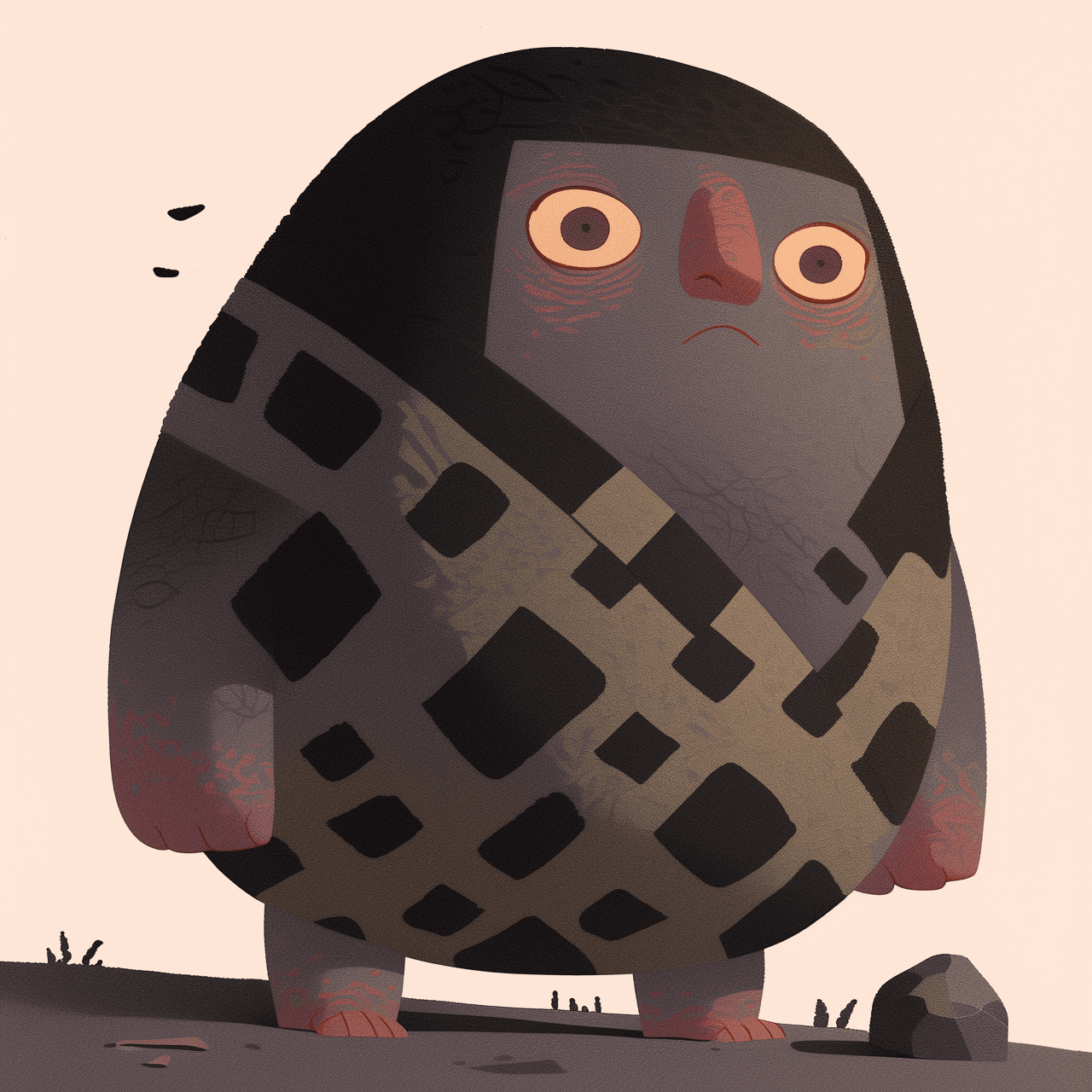
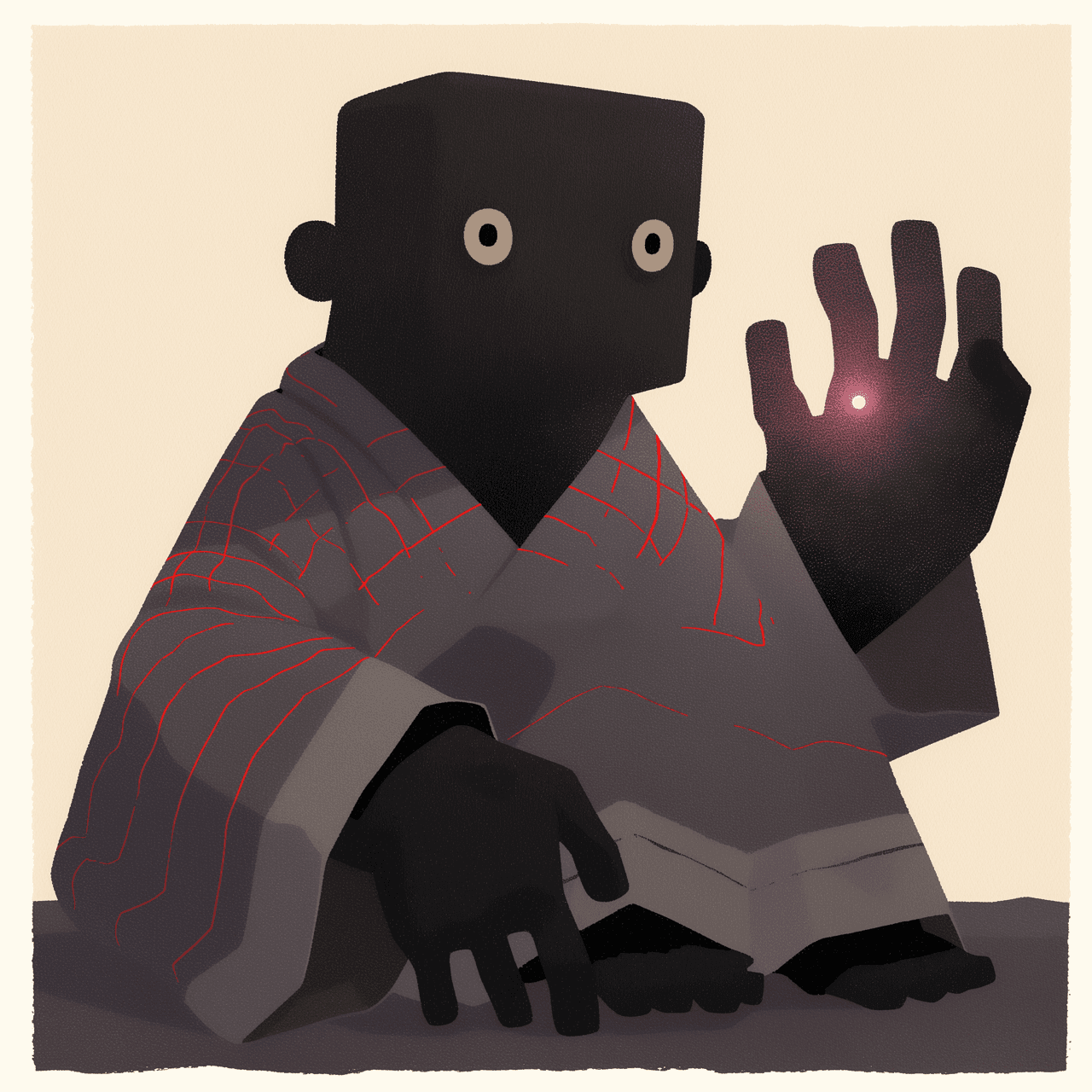
The Outlaw is one of twelve archetypes organized around ideas from Jung’s archetype theory, seeking to disrupt the existing order and change its course, and fearing powerlessness and insignificance. Its gift is voicing the question no one else will ask.
What drives you
“That’s how we’ve always done it” is unlikely to settle the matter for you. It may be the moment you start pushing back.
A rule that everyone quietly accepts can bother you enough to speak. You may read the room perfectly well and still decide you do not want to comply.
For the Outlaw, fading into insignificance can hurt more than being disliked. The thought that your presence makes no difference is hard to bear. So you make waves, sometimes even where none were needed.
That willingness can be a relief to someone else. Hearing you speak may help a person who had stayed silent recognize that they felt the same way. What to build after something has been dismantled, though, remains a separate question.
Leaving a mark on the world: how this motive shows up
When this motive becomes a strength
You can speak first when everyone has doubts but no one says anything. If a system is not working, you are willing to name it. That can stop an organization from growing obsolete simply because no one wants to disturb its familiar shape.
When this motive becomes a burden
Opposition can become its own purpose. Unable to stand the thought of complying, you reject things that are actually useful. Eventually, you may feel restless whenever there is nothing to tear down.
At work
You bring strength to reform, challenges to established players, and situations where conventional wisdom no longer applies. Work spent improving things within a fixed framework may lose its meaning for you, even if you are capable of doing it well.
In relationships
Your refusal to put on an act can feel deeply honest. But what you intend as unfiltered truth may reach your partner as an attack. You can find yourself directing that sharpness at the very person you want to protect.
When it turns into shadow
Change loses its purpose when destruction becomes the goal. You began by breaking something to make it better; now breaking it is enough, and people start to leave. Rebellion can keep you from looking at what you have not managed to build.
You now know your "why": what you seek and what you fear.In 120 Archetypes, the types whose reactions come closest to the Outlaw motive are Striker and Ranger.But the same motive shows up differently in each person's actions.30 questions show how your motive actually plays out.Where the two don't line up, your real challenge starts to come into view.
This is not a psychological test created by Carl Jung. It is an interpretive profile independently designed by 120 Archetypes, drawing on Jung’s archetype theory and the twelve-category framework organized by Carol S. Pearson and Margaret Mark. It is not intended for clinical diagnosis or scientifically validated measurement.