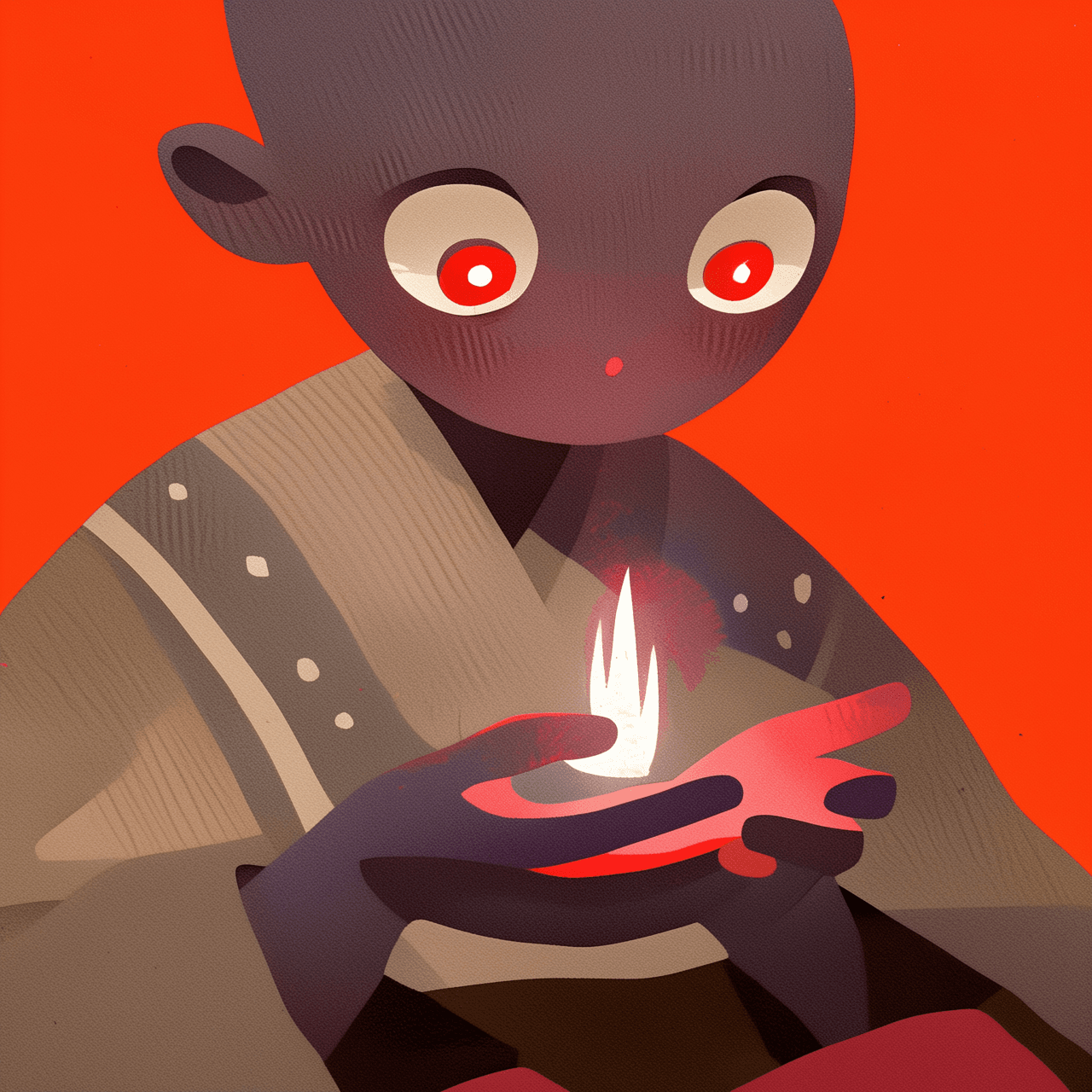
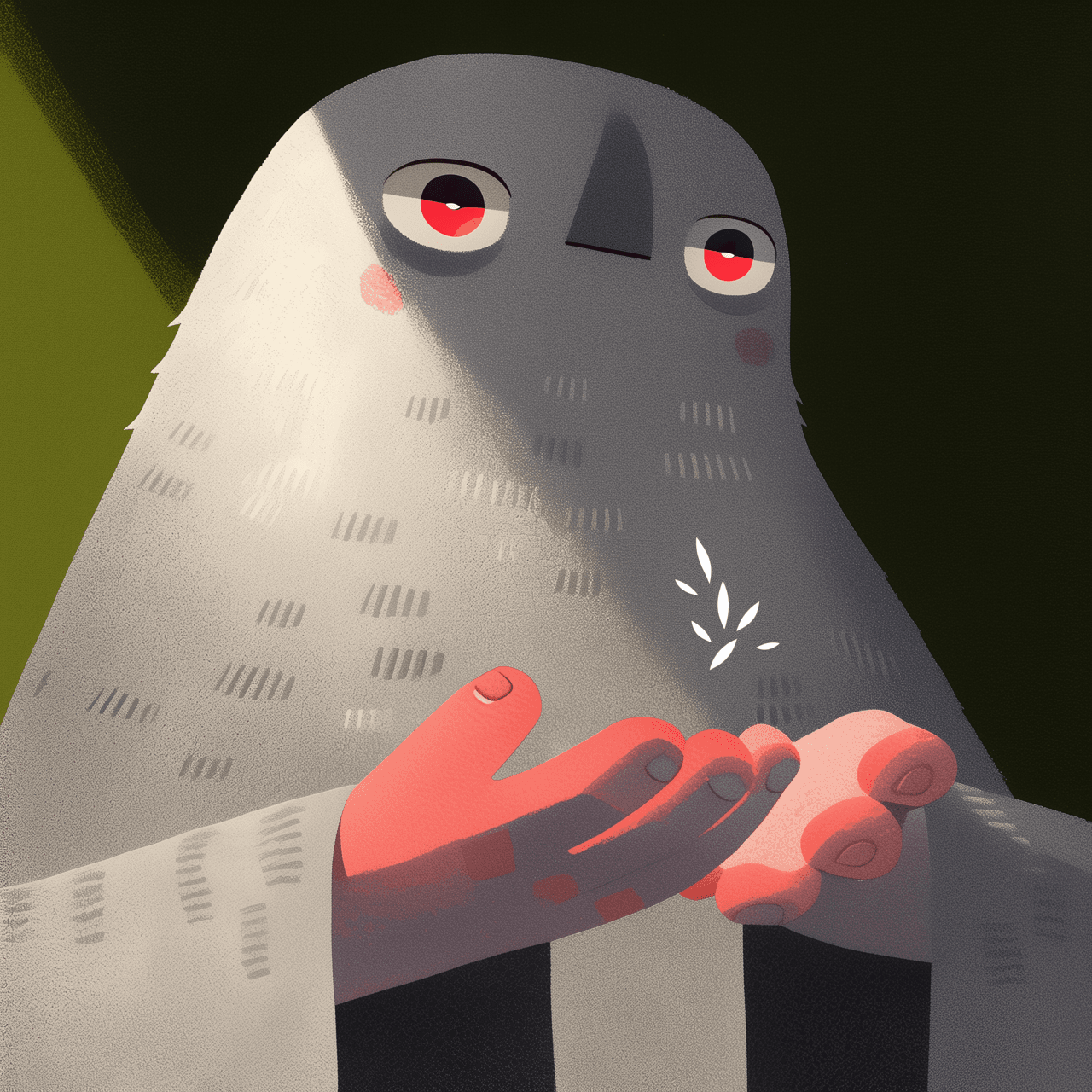
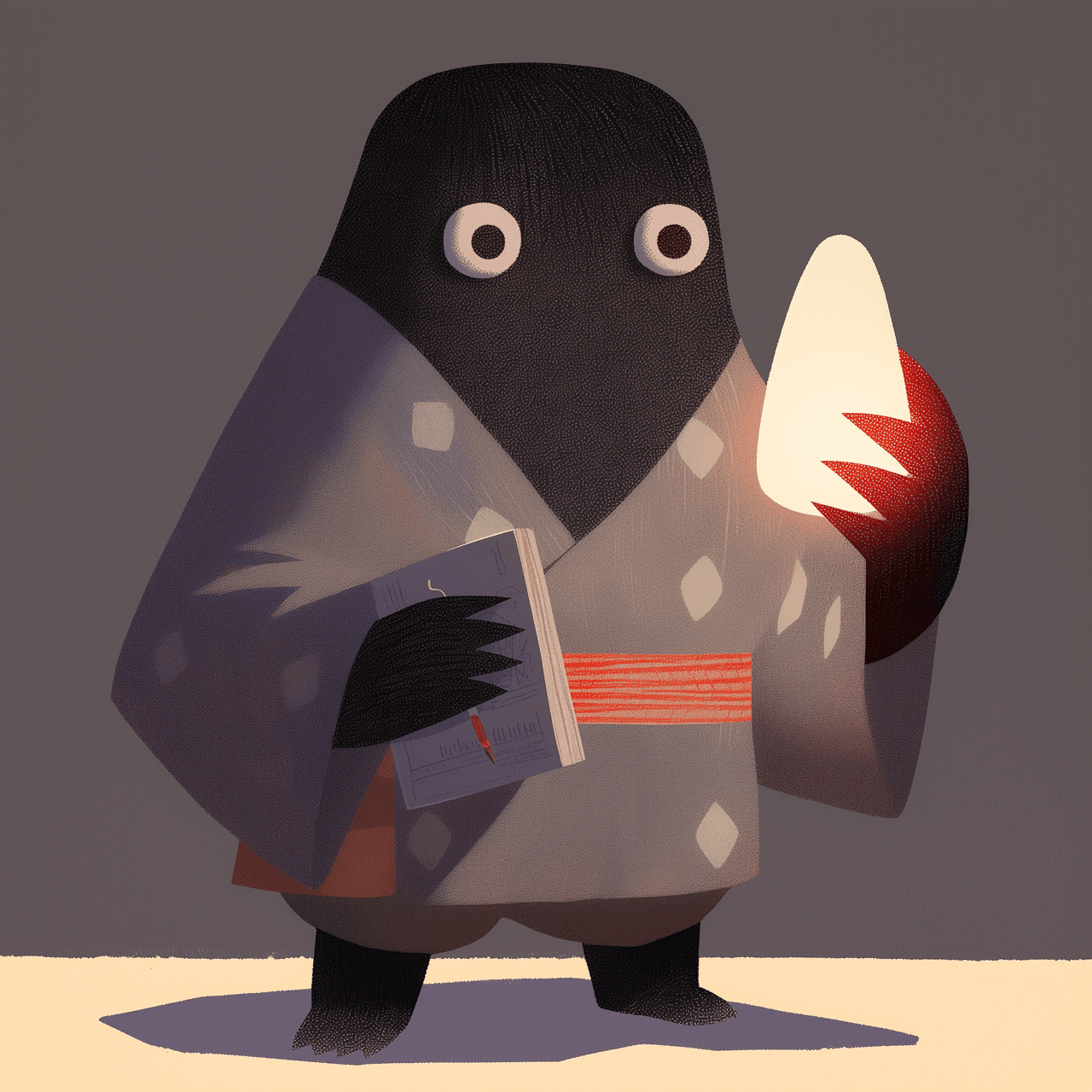
The Sage is one of twelve archetypes organized around ideas from Jung’s archetype theory, driven by a desire for truth and a fear of being misled. Its gift lies in understanding the mechanisms beneath what people see.
What drives you
An answer alone may not satisfy you. What you want is the moment when you understand why it is the answer.
Moving ahead without that understanding leaves a quiet unease. Someone says, “Let’s just go with this,” and even if you say nothing, part of your mind asks what supports the decision. You may be less interested in being cautious than in seeing things clearly.
Being misled is a particular fear for the Sage. The deception itself may hurt less than realizing afterward that you understood far less than you thought. So you check. You look a little further and spend a little longer thinking.
From the outside, this can look like composure. Inside, you may not feel settled at all until you have finished checking.
Seeking independence and meaning: how this motive shows up
When this motive becomes a strength
You notice when people are working from different assumptions. When a discussion goes in circles, you may be the one to ask whether everyone means the same thing by a key word. Where there is time to think, your depth of understanding can matter more than someone else’s speed.
When this motive becomes a burden
You can find yourself unable to act until you have checked everything. Complete information rarely arrives, yet you wait for it anyway. The feeling that you still do not know enough can become the reason you never begin.
At work
Researching, organizing information, and finding the underlying structure draw on your strengths. Work that rewards momentum over evidence can be draining. You may feel more yourself preparing the grounds for a decision than being the person who has to make it.
In relationships
Your effort to understand your partner can build deep trust. But understanding someone and accepting what they feel are different things. When they simply want to be heard, your questions may ask more of them than you realize.
When it turns into shadow
Knowledge can become a way to judge people. “That’s wrong” becomes a reflex, and you look down on anyone who has not checked as carefully. Or you keep learning so that you can keep postponing any involvement in the world outside your studies. Knowing can become a place to hide.
You now know your "why": what you seek and what you fear.In 120 Archetypes, the types whose reactions come closest to the Sage motive are Scholar and Oracle.But the same motive shows up differently in each person's actions.30 questions show how your motive actually plays out.Where the two don't line up, your real challenge starts to come into view.
This is not a psychological test created by Carl Jung. It is an interpretive profile independently designed by 120 Archetypes, drawing on Jung’s archetype theory and the twelve-category framework organized by Carol S. Pearson and Margaret Mark. It is not intended for clinical diagnosis or scientifically validated measurement.